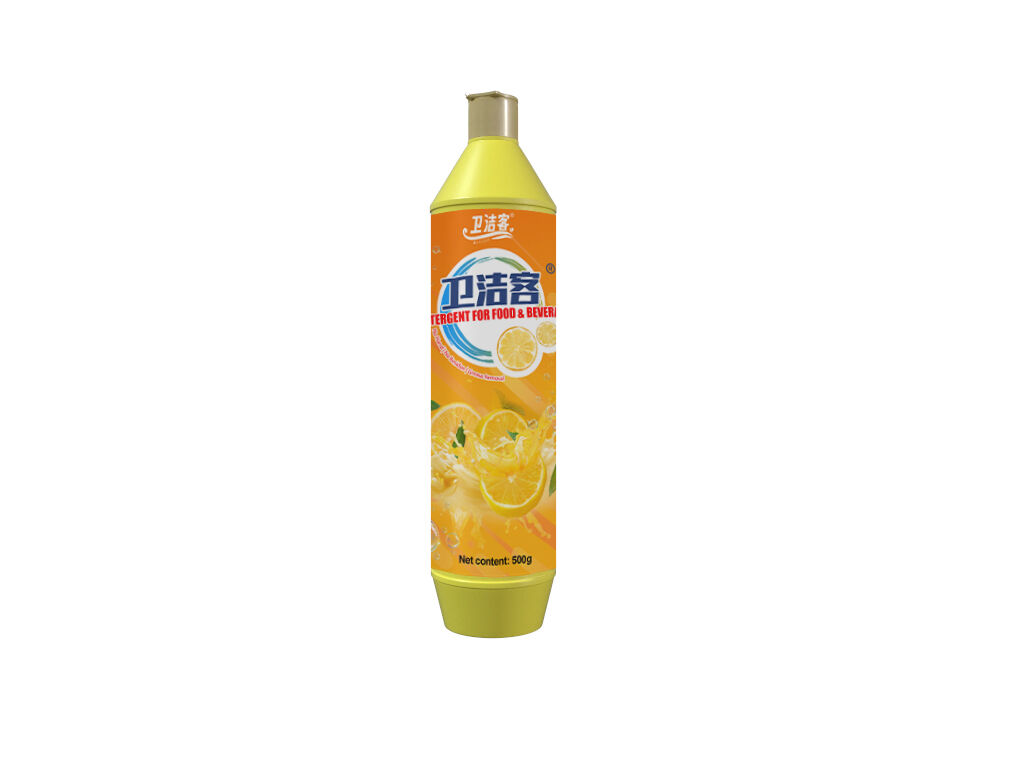
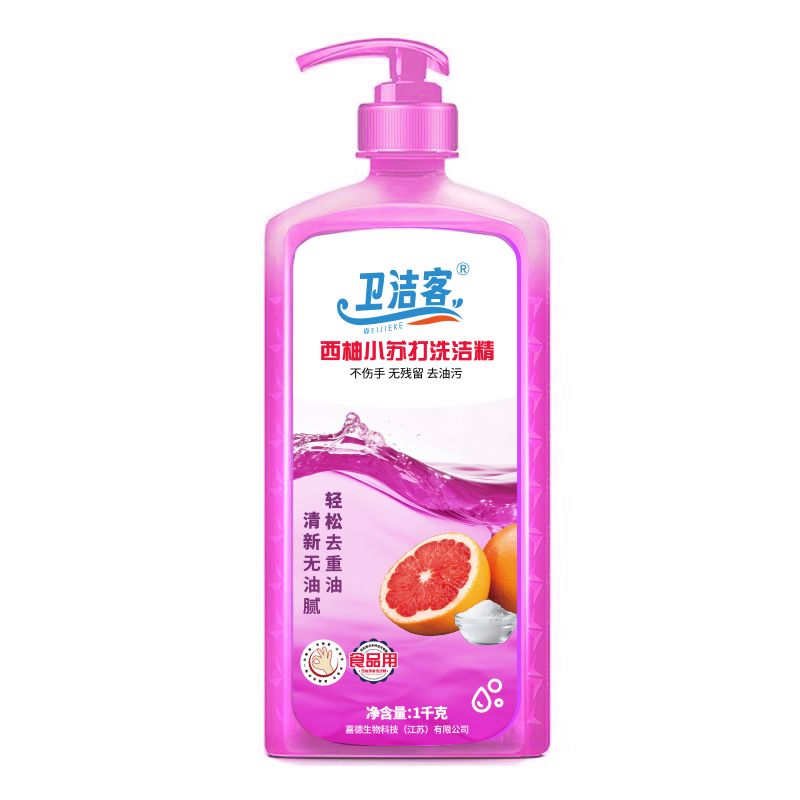
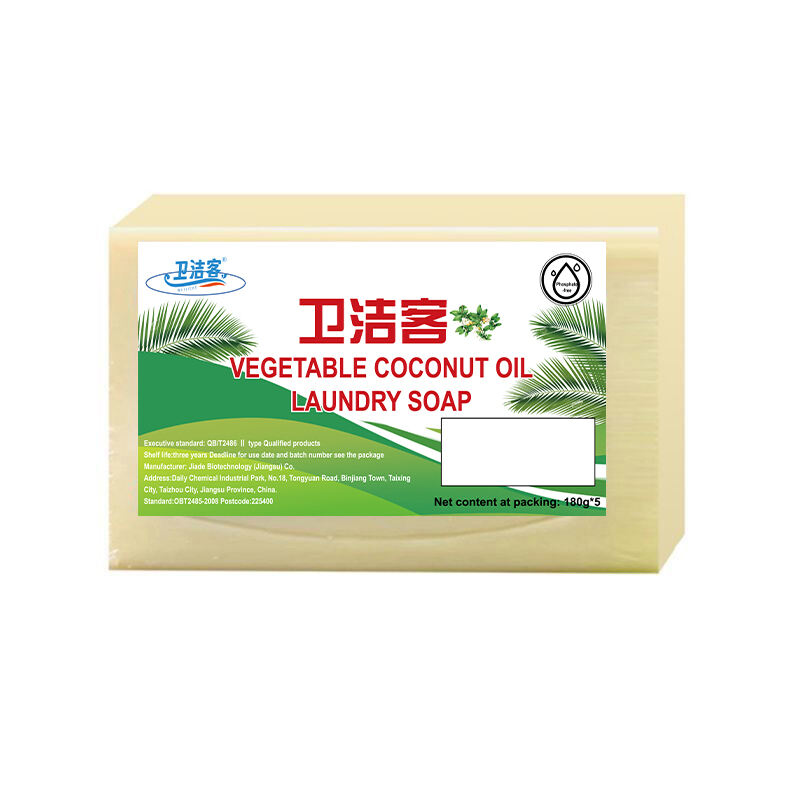
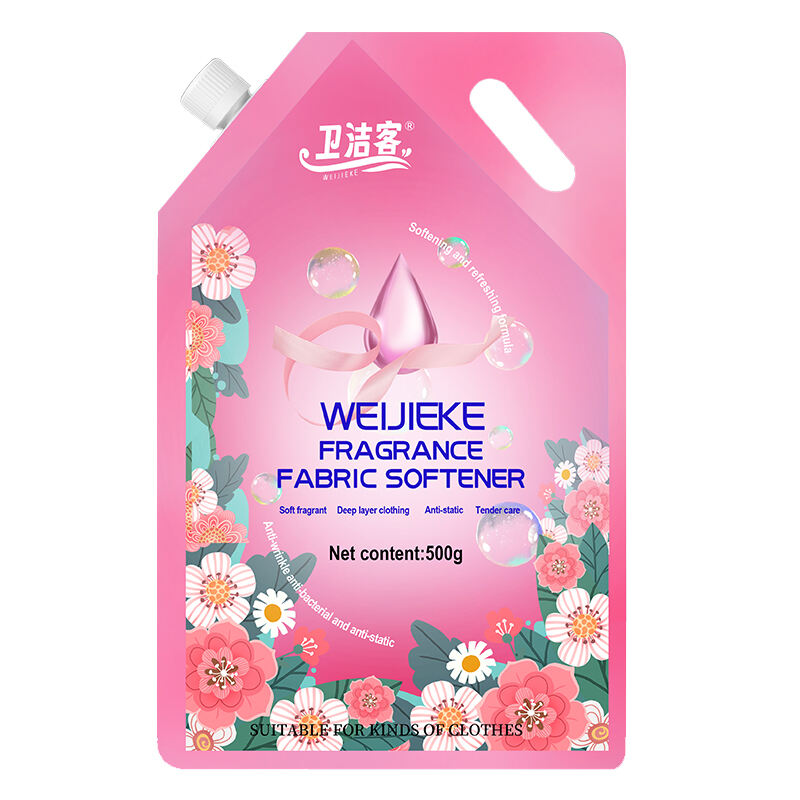
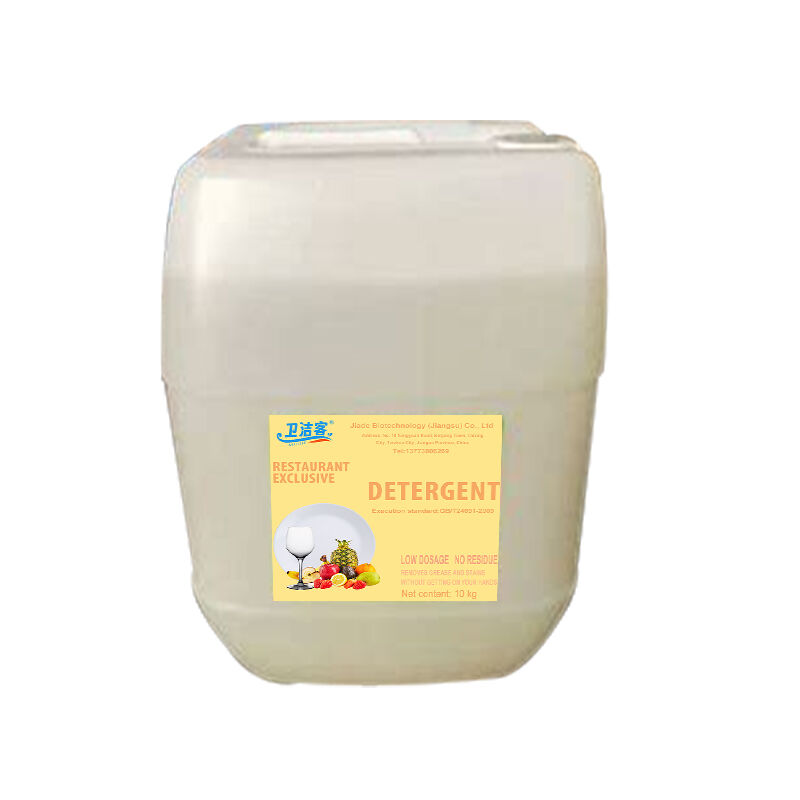
Against the backdrop of rising global awareness of green consumption and the continuous tightening of China’s environmental protection policies, the country’s laundry soap industry is undergoing a pivotal transformation—shifting from traditional, single-function products to high-value offerings that blend functionality with eco-friendliness. This shift is not just a market trend but a response to evolving consumer needs and policy directives, reshaping every link from product R&D to market distribution.
The latest industry report released by a leading market research institute paints a clear picture of this growth trajectory: in 2024, the market scale of China’s laundry soap reached 12.86 billion yuan, marking a steady year-on-year growth of 4.2%. What’s more noteworthy is the forecast for 2025, where the market is expected to climb further to 13.32 billion yuan. Behind this upward curve lies a key driver—functional laundry soap products, which have emerged as the core engine of growth, outpacing traditional alternatives by a significant margin.
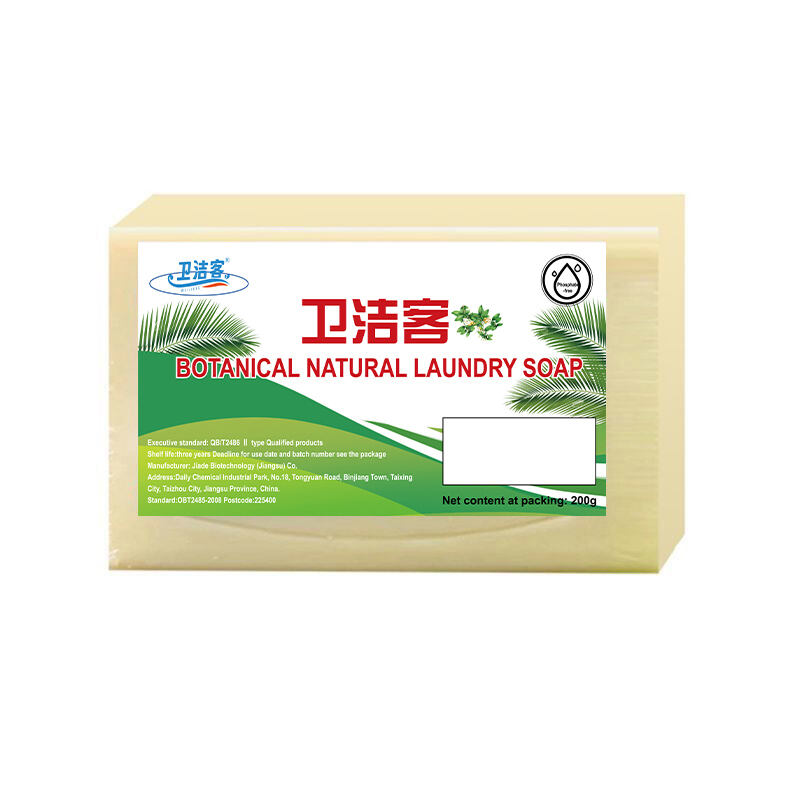
This trend was vividly on display at the recently concluded International Detergent Expo in Shanghai, a landmark event for the industry that attracts global brands, R&D teams, and distributors. Among the array of innovative products, one natural laundry soap stood out, capturing widespread attention and accolades. Boasting over 90% natural ingredients—sourced from renewable plant-based materials like coconut oil and palm kernel oil—and backed by national patented technology, this product made history as the first laundry soap in the industry to be selected into the "National Consumption Innovation Case," a prestigious recognition that validates its breakthrough in balancing performance and sustainability. Its appeal didn’t end there: the product’s lightweight packaging, crafted from 100% recyclable and compostable materials, also won the Meishi Cup Packaging Innovation Award, a testament to how ecological technology and green design are being deeply integrated into product development. This kind of all-around innovation is precisely the mainstream direction the market is heading in. Data further confirms this: in 2024, the market share of functional laundry soap exceeded 45%, a 3-percentage-point increase from the previous year. Within this category, demand for segmented functions is soaring—antibacterial variants (essential for households with children or the elderly), color-protection formulas (to preserve the vibrancy of premium clothing), and mite-removal options (a top choice for consumers in humid southern regions) are among the fastest-growing sub-segments.
The shift in market structure is not accidental; it is driven by a profound upgrade in consumer demand. A detailed survey by a well-known market research institution sheds light on what modern consumers prioritize when choosing laundry soap. Unsurprisingly, cleaning power remains the top concern, with a positive voice rate of 79.88%—consumers want products that can tackle tough stains like food grease, sweat, and grass marks without repeated scrubbing. Scent follows closely, with a 75.8% positive voice rate, as more people seek to infuse their daily lives with pleasant, natural fragrances (such as lavender, citrus, or jasmine) instead of harsh chemical odors. What’s particularly striking is the significant rise in attention to environmental attributes: consumers, especially those in first-tier cities like Beijing, Shanghai, and Guangzhou, are increasingly willing to pay a 20% premium for ECO-certified laundry soaps—products that meet strict standards for biodegradability, low environmental impact, and safe ingredients.
In response to this demand shift, enterprises across the industry have stepped up their R&D investment, with emerging brands leading the charge in innovation. Many have adopted cutting-edge technologies like seawater mineral concentration—extracting natural minerals from seawater to enhance cleaning efficacy while reducing reliance on synthetic additives—and incorporated high-quality coconut oil extracts, which not only boost stain removal but also leave fabrics soft and gentle on sensitive skin. The result? Vegan and eco-friendly laundry soaps that achieve full biodegradation (breaking down into harmless substances within 28 days in water) with zero residues, making them safe for both human health and the environment. These products also excel in versatility, meeting the cleaning needs of multiple scenarios—from washing delicate baby clothes to heavy-duty fabric like denim or workwear.
Channel changes are another key factor reshaping the industry landscape. While offline channels—such as supermarkets, convenience stores, and local grocery shops—still hold the lion’s share of the market at 62%, online channels have experienced explosive growth, becoming an indispensable part of the distribution network. In 2024, online sales of laundry soap reached 4.97 billion yuan, a remarkable year-on-year growth of 18.3%, and its market share climbed to 38.6%. This growth is fueled by the unique advantages of e-commerce platforms: large-scale promotional activities (like Double 11 and 618 shopping festivals), door-to-door logistics services, and detailed product reviews that help consumers make informed choices. These factors have accelerated the penetration of functional laundry soap into third- and fourth-tier cities and rural areas, where consumers previously had limited access to high-end products. Meanwhile, leading brands in the industry have maintained their market dominance thanks to their extensive channel coverage—combining strong offline presence with robust online operations. The total market share of the top five brands has now exceeded 60%, and industry concentration continues to rise, driven in part by environmental policies that have raised the bar for market entry.
Policy guidance has played a crucial role in steering the industry toward high-quality development. The "Green Manufacturing Standard for the Detergent Industry," which officially took effect in 2024, introduced strict requirements for product packaging (mandating the use of recyclable or degradable materials) and production energy consumption (limiting carbon emissions and water usage). These standards have had a profound impact: approximately 35% of small and medium-sized enterprises (SMEs) in the industry have withdrawn from the market, unable to bear the costs of upgrading their production lines and meeting the new environmental requirements. While this has led to short-term market consolidation, it has also pushed the remaining enterprises to accelerate their transformation—with plant-based raw materials (like soy protein and corn starch derivatives) and degradable packaging becoming the key focus of R&D efforts. Industry experts predict that as consumers’ health awareness continues to grow and policy support for green products strengthens, laundry soaps with natural ingredients and multi-functional attributes will capture an even larger share of the market in 2025.
From a regional perspective, East China has emerged as the largest consumer market for laundry soap, accounting for 29.4% of total sales. This is attributed to the region’s high per capita income, strong environmental awareness, and dense population of urban households. South China and North China follow closely, with market shares of around 25% and 22% respectively. Meanwhile, the central and western regions are showing impressive growth potential, with a year-on-year growth rate of 5.1%—driven by rising disposable incomes and the expansion of online channels. To cater to these diverse regional and demographic needs, enterprises have launched a range of segmented products: large-capacity (2kg-5kg) and cost-effective options for multi-person families, premium fragrance series (with long-lasting scents) for consumers pursuing a refined lifestyle, and mild, additive-free formulas (free of parabens, fluorescent agents, and artificial colors) specifically designed for mother-and-baby groups. This precise positioning strategy is not only meeting the unique needs of different consumer segments but also propelling the laundry soap industry into a new stage of diversified and high-quality development.
 Hot News
 EN
EN