 EN
EN
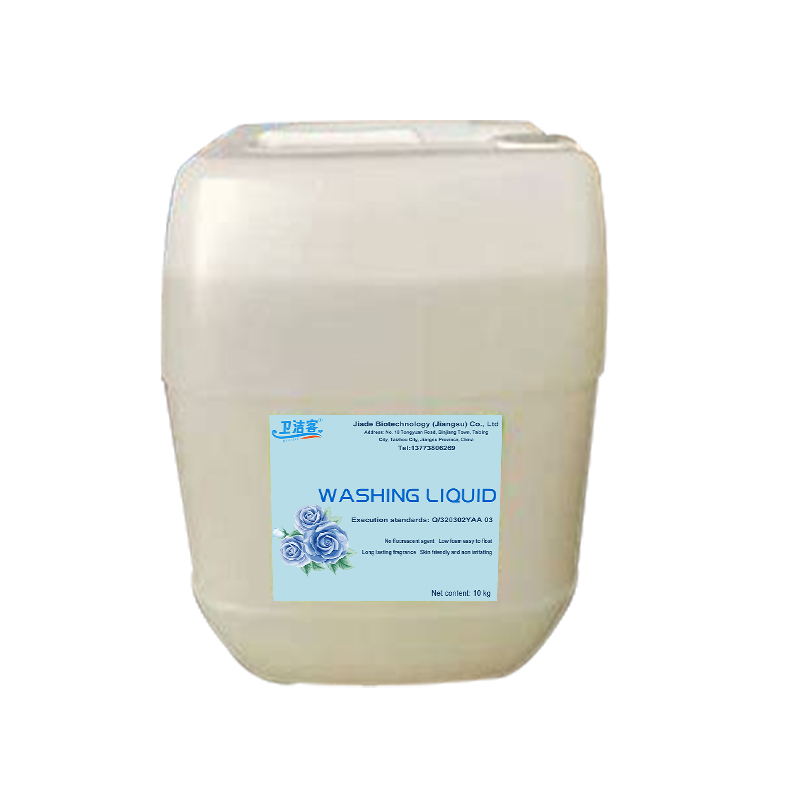
To be honest, there is a chance that rash, irritation, or other potential reactions could occur if you choose the wrong laundry detergent due to the sensitivity of a baby’s skin, and of course, the baby’s clothes are in contact with the skin all day. It’s understandable that making this choice can be difficult, and is a big concern for anyone who is in or new to the baby and daily chemical industry. It’s not just about the clothes being clean, but the safety and comfort of the baby. It is also very understandable that there is a concern for stains on the clothes coming from milk and drool which is a common occurrence with babies. I will provide the best ways to help you explain and understand your concerns, and will help you make your choice much easier than before.
Recognizing The Sensitivity of a Baby's Skin
A baby's skin is different in many ways compared to the skin of adults. Baby's skin is 30% thinner than an adult's skin. It is also lacking a skin layer the an adult has that prevents moisture loss and keeps out skin damaging irritants. Chemicals and detergents in normal baby clothes can cause irritation and skin reactions. It is a myth that skin care products that seem safe and avoid only the big problems are effective for babies. To truly care for a baby's skin, the skin care products must be effective alongside the specific and high standard skin care for babies.
Important Aspects To Focus On
When looking for products for baby, simplicity is key. Products that are labeled as no residue are important because residue is the biggest irritant that is left on the clothes from detergent. Baby skin care is a lot different from adult care, so detergents that are labeled as baby detergents will in most cases not be effective on their own. Sunan and chemical free detergents will give the most effective and baby skin friendly result. These products will be the most effective.
Recognized Badges and Certifications
Having certain badges and badges means that a company meets or exceeds some safety and quality threshold. Focus on manufacturers that have received the badge for ISO 9001, which means they have quality assurance for their manufacturing processes. If they have the ISO 14001 badge and the ISO 45001 badges, they are a company that best cares about safety, and, in addition, they have the badges and certification for the eco-environment. You can also see the badge for compliance with QBT2486, which is the badge for the national standard for safety and performance for laundry detergent. Certifications and standards are provided by third parties, which means that there is some justification for the claims about the product.
Practical Tips from Industry Experience
While customizing detergents, and to put many orders in a system, I have worked with a lot of parents and learned some tricks. First, when starting with a new detergent, patch test by using the detergent on a small area of your baby’s clothes and washing a small load. This helps to avoid reactions. Pre-treat breast milk and baby food stains with a little detergent and soak in cold water to remove the proteins in the stains and prevent water. Hot water can set proteins damaging to the fabric. Another one is to follow the detergent instructions and do not “guesstimate” a load. Do not use more than needed to prevent residue, regardless of your detergent instructions. parents tend to average a little too much detergent on baby clothes, which is often a smaller load, and consider the clothes to be not as soiled as adult clothes.
Finding a Good Balance: Clean vs Safe
Gentle detergents and baby stains don’t mix, right? Wrong! Most baby safe detergents, while gentle, still avoid harsh chemicals. Avoiding harsh chemicals is a sign that a detergent is either not effective or is poisoning the environment. How a manufacturer makes their detergent is the perfect example. 100,000-level clean room manufacturing is a standard for pharmaceuticals, and they use effective stain removers. They coat their detergents in stains removers, which are bacteria, chemical, and contaminant free. Detergents that go under a more holistic quality control that examines the raw materials, the finished product, and then tests for bacteria, chemicals, and more are a safer bet to avoid the negatives. Clean clothes and safe skin are achievable.
Choosing a Reliable Supplier
For the sake of business relationships, suppliers should also be selected. Use the supplier's confidence. For example, suppliers have different sourcing strategies. Knowing where a supplier gets its raw materials is important. Suppliers can eliminate middlemen, which can lower costs and improve quality control. Suppliers who offer value-added services such as custom formulas (hypoallergenic, fragrance, and so on) are also preferred. Packaging and logistics may also be provided. These value-added services show that the supplier is committed to overall customer satisfaction. Good suppliers also provide after-sale services on the products they supply.
Conclusion
Most important factors when choosing a laundry detergent for baby clothes are safety, gentleness, and reliability. Consider baby skin’s unique needs, clean ingredients, certifications, and industry practical tips. The best choice is the one that is most proven, certified for safety, and designed for the skin of babies. Use the right detergent and wash with confidence.