 EN
EN

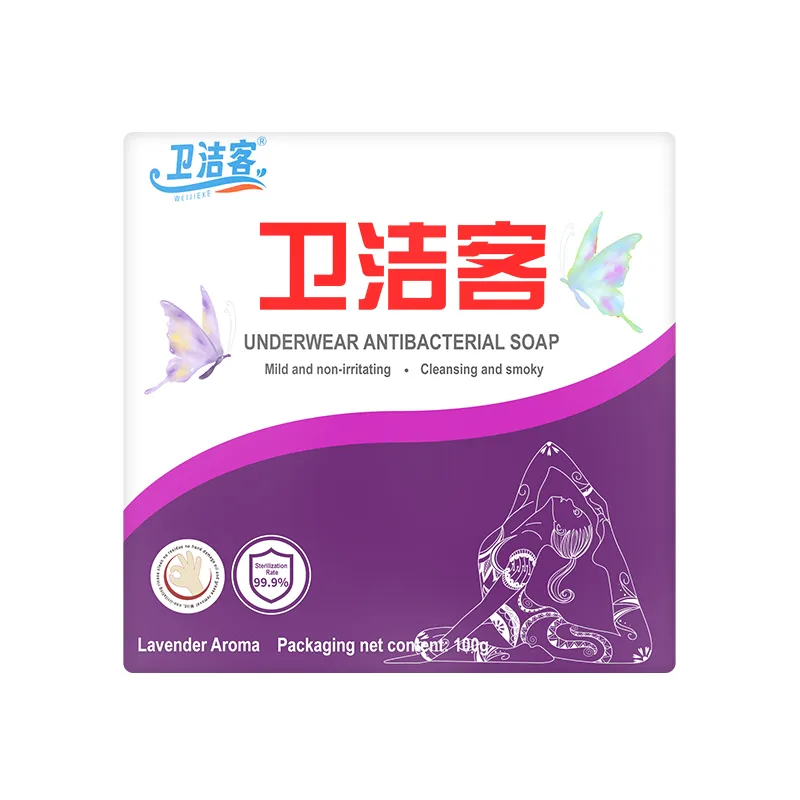
Although many soaps include natural and biodegradable components, the best soaps use natural, plant-based ingredients and biodegradable components. Natural soaps allow more effective stain penetration because they use plant-based ingredients like palm oil, coconut oil, and glycerin.
Botanicals break down binding and adhesive components without leaving damaging peroxides behind.When the surfactants are biodegradable, staining components like oil, fats, and pigments are biodegradable without harsh surfactants.
I remember a restaurant owner who said that after switching to a premium detergent, his employees' uniforms, which were caked in cooking oil and sauce, came out clean. It's due to the concentrated natural surfactants, which bond with stain particles and lift them away. This stain penetration is effective enough for use on frequently stained items.
Taking Action To Target Specific Heavy Stains
Different heavy stains require different approaches, and each laundry soap is formulated to target different tough messes as they see fit. Stains like motor oil or salad dressing require some sort of surfactant to pr emulsify the fat, while stains like blood or sweat need some sort of enzyme that breaks down the residue. Premium laundry soap is balanced to do all these tasks without extra effort. From a technical point of view, the pH levels of the soap are balanced to work best with the fabric on a molecular level. The soap is neutral enough to not damage delicate materials, while the pH is aggressive enough to dissolve residue. When it comes to set in stains, I have noticed that rubbing in laundry soap on the stain and letting it sit for some time really works. The soap is thick and sits on the stain so that the active ingredients can work without being washed away too fast.
Supported by Quality Management and Industry Standards
When choosing a product to do heavy-duty cleaning, reliability is important, and top-tier laundry soap is made with a lot of quality control, and industry certifications. Manufacturer's with a good reputation will follow quality standards like QBT2486. This standard gives laundry soap performance standards that include stain removal and fabric compatibility. Quality standards like ISO 9001 also mean that every batch is thoroughly tested, and it covers everything from inspecting raw materials, to inspecting the final product. These standards mean that the soap will keep delivering what it claims. Teams are usually industry veterans with 8+ years of experience, meaning that they use their experience to improve the quality of the product. With this kind of oversight, you will trust that the laundry soap will perform every time, especially with the most stubborn stains.
Gentle on Fabrics, But Still Super Clean!
There is a common misconception that if a cleaner is not heavy duty, then it is not a real cleaner, but that is not true when it comes to a certain kind of soap used to do laundry. It does a great job washing stuff while not being harsh on the fabric, and being gentle to the colors of the fabric, and the texture. Unlike a lot of other detergents that are way quick to use, take the washing machine knife, and then wash the clothes with harsh chemicals, and leave the fibers of the clothes weak and in a bad state, good laundry soaps do the exact opposite. I have tested soaps with soft fabrics and even the wool of the soaps. Even after washing the soaps several times, the fabrics are intact, the soap makes the clothes soft, and the fabrics are not stretched or faded. Another important detail with a lot of soaps is that they leave a lot of residue, which is bad for skin, or for people who are sensitive, and even for people who want to use clean wash items. To get a soap to wash best, use water that is not hot or cold to wash it in, because fabric could be hurt by the washing agents.
Effective and Economical Choice
People often assume additional costs or heightened environmental harm will come with heavy scrubbing and stains. Instead of worrying about these impacts, laundry soap reduces environmental impacts and saves money for consumers. With concentrated examples of these products, soaps minimize the needed amount that should be used with each wash. Even with the minimal amount used, soaps outperform more synthetic options. These even biodegrade themselves. Premium soaps, with direct sourcing, are also a more economical choice for both households and businesses with the increased scents. With simple and lessened wrapped soap bars, a more sustainable and reduced plastic footprint is created. So whether a consumer is a parent, small business owner, or eco-friendly connoisseur, soap does it all.