 EN
EN

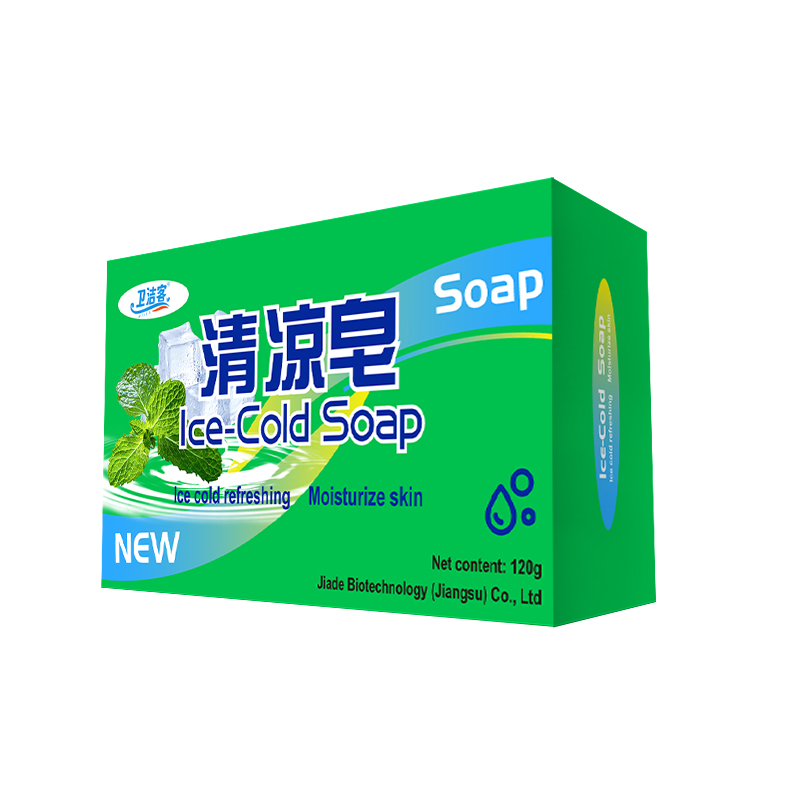
How Soap Helps Prevent Skin Infections
Anyone can get skin infections because our skin can get infected by different pathogens, skin-dwelling bacteria, fungi, and viruses. Skin infections can be avoided by practicing good hygiene, especially by using special disinfecting soaps. Some soaps are made to kill pathogens and and wash and protect your skin at the same time. Protective soap is your best line of defense against skin infections.
Soap and Skin Infections
Skin infections occur when germs multiply in warm, moist places, and are often caused by excess oil, dirt, or broken or damaged skin. Soap infections caused by skin germs are caused by grease and skin germs. Microbes are skin germs. Skin germs are just small germs. Not all skin soaps are good. Some skin soaps remove all natural oils and are bad. Quality soaps are good oils and bad oils. Bad oils are the ones that pull skin germs from skin. A barrier is something protecting something important. Skin barriers are things that protects skin, and are made to keep skin germs from coming in. If the barrier is broken, it will cause more skin infections. For example soaps and skin germs. Skin and skin germs are important because skin is are protecting us from infections. A chemical product that is bad and removes all oils is bad and it is good to use everyday. It will remove the food source for bad germs. It is important for us to not remove all oils or good things from skin. If we don't it will be bad for skin.
Real World Insights From Daily Chemical Formulation
Soap that prevents infection demands the ability to integrate microbiology and skin science, as infection-causing microbes vary in structure and adversely affect the skin in differing ways. Families with young children and those who have dry, easily irritated, or sensitive skin pose the greatest challenge when it comes to the skin sensitivity aspect. One remarkable example was a laundry soap that was mildly safe enough to use with baby clothing, while also effective in killing skin-pathogenic microbes, like Staphylococcus aureus. By the use of certain botanicals and the exclusion of a known preservative that is associated with dryness and rashes, the formulation was able to retain a level of antimicrobial activity. Significant patient care, along with passionate team members who possessed over 8 years of experience in the industry, enabled the achievement of the right level of respect among the care and the technical efficacy of the formulation. Ultimately, the formulation achieved a 99.5% yield rate and was able to help mitigate skin cross-contamination from laundry.
Industry Certifications and Standards
The claim regarding the soap working and preventing infections is more than just marketing. It is backed by multiple industry standards and certifications. Leading manufacturers work with international standards like ISO 9001 (quality management) and ISO 14001 (environmental management) to ensure their products are safe and effective. For example, commercially available laundry soap meets criteria for QBT2486, which tests for antibacterial activity and skin safety. Soap meeting these standards is a primary protective barrier from skin infections according to public health officials, and the FDA. Meeting these standards means that the soap has been thoroughly tested for microbiological safety, ensuring they kill and remove harmful microbes without leaving behind toxic residues.
Ways to Improve the Protective Effects of Soap
Proper product usage and selection will yield the most protective and infection fighting powers of soap. First, always lather sufficiently soak and scrub all the areas of the skin. Rinsing thoroughly is also critical, residue can irritate skin and bacteria can build under soap residue. In regards to selecting a soap, look for labels that highlight “no harsh chemicals,” “non irritating,” or “sensitive skin.” For laundries, choose a soap that has a mite removal and protective antibacterial function. That is to say, to prevent the transfer of pathogens from clothes to skin. Lastly, keep soap bar sticks in a dry area as the breeding grounds for bacteria will be simply wet soap. These steps, paired with a quality product, improve soap's ability to protect skin from infection.
Conclusion
Soap can serve multiple purposes, one of which is to provide skin infection protection. Certainly, soap can be supported by science, industry expertise, and real world results, as long as one chooses soap formulations that remove microbes and are safe for skin, and use these formulations from reputable companies that have the right certifications and experience. As soap technology and formulation chemistry progresses, the emphasis on safe, soothing, and effective soaps will continue to show that practicing good hygiene does not mean compromising skin health. If everyone uses good quality soap and practices good handwashing, skin infection protection will be enhanced.