 EN
EN

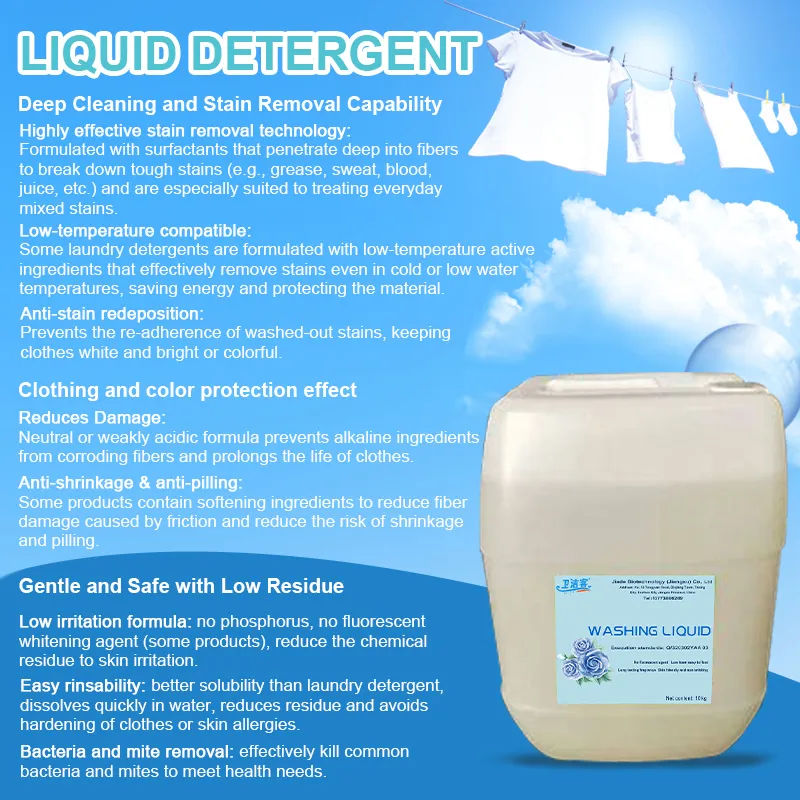
Using laundry detergent maximally requires knowledge of the material of the fabrics and type of washing machine being used. While cotton fabrics are strong and can match any standard laundry detergent, wool or other delicate synthetic fabrics would require a more mild detergent, a low-foam detergent to avoid damage to the fibers or shrinking of the fabric. Top load washers require a detergent that has the correct foam for proper cleaning via circulation of the water. In contrast, front load washers require low foam detergents due to the closed washing mechanism and less water. Research has proven that fabric type and detergent mismatches can reduce cleaning efficiencies by 40% and can increase chances of fabric damage by more than 50%. To avoid damage to fabric and washing machine, consumers are advised to follow detergent labels, fabric care labels, and the machine instruction manuals.
Control Over Dosage of Detergent
Dosage is the most important factor in achieving the optimum cleaning effect without negative cleaning results, while under dosing could result in detergent residue in the clothes. For example, using five times the recommended detergent dosing level for a medium load of laundry could result in the formation of detergent micelles that are insoluble in water and will leave a white, hard residue on the clothes. For a standard medium load with 10 pieces of clothes, the scientifically recommended dosage is 30ml of liquid detergent, which is equal to ½ of a standard detergent cap. For example, high efficiency low foaming detergent has a more concentrated cleaning power so the recommended dosing level will have to be lower. Industry professional Quality Control standards in the Daily Chemicals sector dictate that for sufficient user compliance, the detergent products are to be labeled with clear dosing instructions.
Correct Method of Adding Detergent
The method used to add detergent directly influences how well the detergent dissolves as well as how well the clothes are cleaned. Most modern washing machines come with a detergent dispenser, which is the most preferred method of detergent addition. During the washing cycle, the washing machine dispenses detergent mixed with water to create a wash solution, which avoids direct exposure of the detergent to the fabrics. For washing machines that do not come with a detergent dispenser, disperse the detergent with water to avoid adding concentrated detergent directly to fabrics, especially those of a colored or delicate nature, to avoid synthetic polymer formation, fading of dyes, and the corrosion of the fabric. In addition, a small amount of low-foam detergent that rinses easily can be added directly to the wash tub for emergency use as its formulation is designed to dissolve quickly in water.
Water Temperature and Program Collaboration
Understanding how water temperature and program selection affect the cleaning power of detergent will help you choose the correct parameters based on the type of stain and the fabric type in your clothes. In the case of oil and food stains, the de-staining components of the detergent, in conjunction with warm water washing (30 to 40 degrees), accelerate the breakdown of the oil. For stains of a protein nature, such as blood and sweat stains, the cleaning process should be done with cold water, as the proteins in the fabric could become denatured and solidified. For more delicate fabrics, a low temperature, gentle program is preferred, and using a detergent of a mild formula will help to clean the fabric while maintaining its softness. Based on the same principles, specialists of the daily chemical industry have determined that the optimal selection of washing program and water temperature can increase the efficiency of the detergent's de-staining action by 30% based on the original formula.
Storage of Cleaning Detergents and Post Washing Practices
Maintaining post washing practices and proper storage practices keeps washing machines and detergents working for the maximum amount of time and keeps their cleaning actions working for the maximum amount of time. After doing a large load of laundry, running the empty machine cleaning program on the machine gets rid of any detergent build up and bacteria that can build up in the braided inner drum of the machine. Detergents should be stored in a clean and dry storage space and should be kept out of the light and away from high temperatures (as a rule of thumb, detergent storage areas should be below 40 degrees centigrade, in the shade). This storage method will help keep the active cleaning ingredients from breaking down and losing their cleaning abilities. Biodegradable detergents have different cleaning ingredient storage concerns. Most washing machines can be kept working for a long time by doing regular washing machine maintenances and cleaning detergent individuals practices.
Choosing a Product Based On Individual Needs
The first step for any operational process is choosing the appropriate detergent for the actual cleaning needs. For families with pets and small children, detergents with mite removal functions are ideal as they are designed to remove mites and allergens from clothing. Detergent that is free from added fragrances and fluorescent agents is best suited for sensitive skin as it minimizes the risk of skin irritation from chemical additives. Environmentally oriented options are available as well to ensure detergents with biodegradable formulas clean without increasing environmental waste. The use of ISO Certification in chemical product manufacturing helps guarantee the quality and stability of cleaning products.