 EN
EN

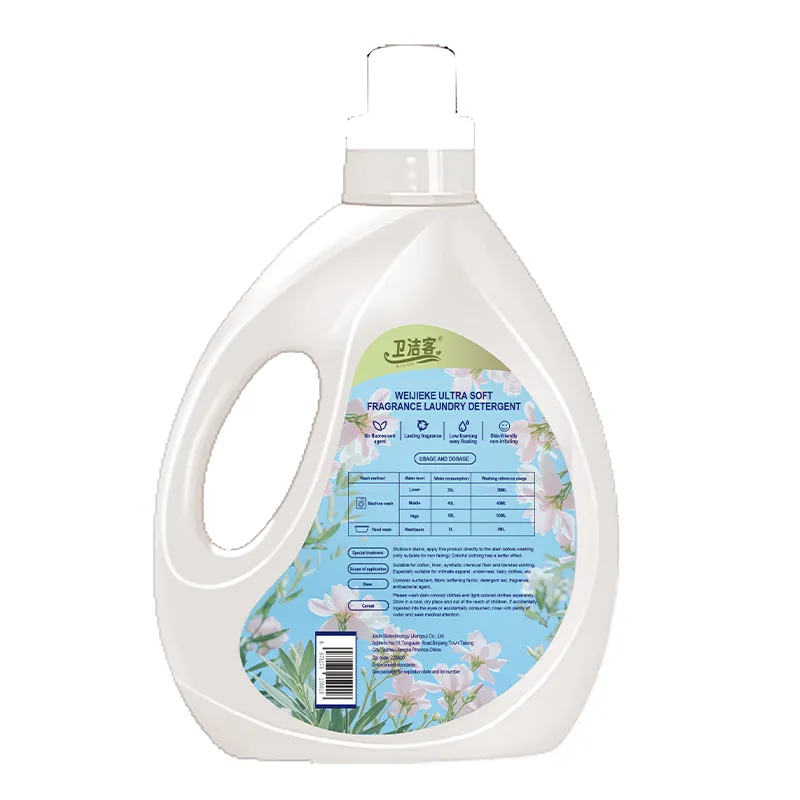
When choosing a fabric softener, many consumers consider the type of fabric, its texture, and structure. Choosing the wrong type of fabric softener can lead to reduced effects of the softener, and can even cause damage to a fabric's fibers. This can affect a fabric's usage and lifespan. The right combination of a type of fabric softener and a fabric can be achieved by considering the various characteristics of the types of fabrics and the different fabrics.
Compatibility of Softener and Fibers of Fabric
The demand for specific types of softeners is influenced by the structural and functional characteristics of the various modified natural and synthetic fibers used in fabric. The natural fiber cotton is water absorbent. Softener types with a small amount of cationic component to fill the fibers. Wool fibers are also natural and are fragile. Wool fibers require non-ionic softeners with moisturizing properties to protect wool's scales. In contrast to cotton and wool, polyester and nylon are synthetic fibers that do not absorb water and are also pulverized. For such types of fibers, softners are suggested to have a strong anti-static property. Some functional fabrics have been specially designed to protect the surface of the functional fabric, such that any softeners used should not contain excessive wax, which helps protect the surface of the functional fabric.
Fabric Softener Production Quality Standards
The diverse and innovative aspects of fabric softeners are based on the regulatory standards that apply to the industry. Regulatory standards on the safety of ingredients, production processes, and environmental protection are incorporated on the packaging of the fabric softeners. Here in Canada, we must also comply with the QB/T 4535 which outlines legislation regarding the pH, softening efficiency, performance, and static-free characteristics. Most of the reputable manufacturers produce in clean-room conditions that comply with the industrial standard and apply a process of total quality control from the selection of raw materials to the delivery of finished products. A fundamental guarantee of the quality of products is that each lot is subjected to physical, chemical, and sometimes microbiological testing to confirm compliance with regulatory standards.
Experience in Practical Application of Sofener In Use
Experience from pratical application has shown that the misuse of softeners can be as damaging as the wrong product selection. Consider the example of cotton towels. It is a common mistake in everyday use that leads to a drastic reduction of water absorbent. This is because ordinary softeners form a film on the fibers of the towel. Softener misuse can also cause safety hazards. Children’s pajamas have flame retardant materials that can lose their flame retardant properties when softeners are used, posing a danger to the child. Additionally, the simultaneous use of softeners and laundry detergent leads to charge neutralization, significantly reducing the cleansing and softening effects. With this in mind, it is also important to note that the operating instructions of the washing machine allows the addition of softeners in the later stage of the washing.
Essential Elements in Choosing a Quality Fabric Softener
There are three Elements of Quality (Softener) that every consumer should focus on when choosing quality fabric softener - the composition of ingredients, the technology of the process, and finally, the adaptability of the product. First, check the ingredients. Products that are high in chemical additives and fragrances are a no-go, as they are harmful to our skin and also tend to stick to our clothes. Second, the technology of the product. Products that come from advanced emulsification technology are shown to have better softening capabilities. Third, Pick specific products according to the dominant types of fabric you use in a day. After all, some manufacturers offer a great selection of specific fabric softeners; i.e. natural or delicate fabric softeners. This means natural softeners have better maintenance properties. Also, softeners that are biodegradable also mean they are good for the environment and are a great option for responsible consumerism.
In the long term, selecting the right softener has both practical and economic value
When applied in the right dimensions, softeners protect the microfibers of the fabric, therefore less frequency of replacement of fabric lessens the cost. Similarly, the right fabric softener in commercial uses such as laundries and hotel ensures optimal washing, consistent quality in fabrics and a better experience for the customer. Moreover, quality softeners that contain less residue pour less rinse cycles and saves in water and power, thus holistic cost and environmental friendly solution.
To summarize, selecting an appropriate fabric softener entails a mix of expertise, standard regulations, and hands-on experience. Knowing different fabric fiber types, industry regulations, and avoiding misuse not only increases the experience of ultimate softness and comfort of the fabrics, but also the fabric and fabric softener products. This method of selection is the cornerstone of effective, eco-friendly and economical fabric care.