 EN
EN

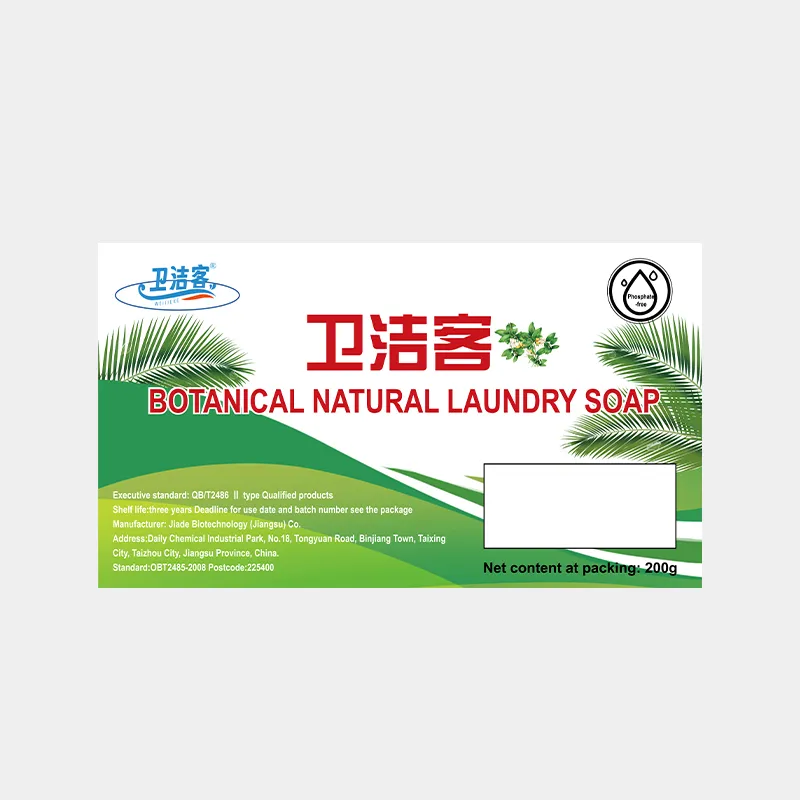
Botanical natural laundry soaps are excellent cleaning soaps because of the gentle ingredients and high cleaning efficiency. It’s important to store the soap correctly before the soap cracks and becomes mushy. To prevent soap from losing its cleaning power before it’s all used up, it’s important to understand the chemical properties of the soap ingredients, as it relates to the daily chemical industry storage methods. High quality soaps will not be effective without the right storage conditions. Having the right storage will save you costs in the long run.
Select Dry Ventilated Storage Spaces
The active ingredient in laundry soap is sodium soap which has properties that allow it to absorb moisture from the air. In a humid environment, the soap bar will begin to dissolve and soften. This will allow the soap bar to create a surface, a place which bacteria will breed and will lead to spoilage and the bar will develop a foul odor. The industry standard QB/T2486 for laundry soap has a basic requirement that dry, and ventilated conditions must exist for storage. A well-known brand from the daily chemical industry has production bases that are humidity-controlled during production in clean rooms of class 100,000, and this principle is also applicable during storage for daily chemicals. Many of the consumers reported that the life of the laundry soap stored in the upper compartment of the kitchen cabinet away from the sink and the washing machine was 2 times more than those that were stored in close proximity to the moist areas. Once the soap is used, it is important to allow it to drain. Any water that is left will accelerate the deterioration of the soap.
Store In Moderate Temperatures
Another main factor that affects the shelf-life of laundry detergent is temperature, especially when it's hot. In high temperatures, the natural oils and glycerin that the soap is made of will get too hot and melt and run off, making the soap hard and caramelized and causing it to lose some of its cleaning power. In lower temperatures, the evaporation of the water inside the soap will cause the soap to crack. Experts in the field indicate that temperature changes that are too sudden cause the active cleaning components in the detergent to oxidize too much, weakening stain removal ability. In the daily chemicals industry, the ISO9001 quality management system suggests a storage temperature of 15 to 25 degrees Celsius for this kind of product. Therefore, laundry soap should not be stored in direct sunlight, as well as near heaters, air conditioning vents, or refrigerators. Simply keep it at room temperature in a cool area and it will be good for long term storage.
Keep Away From Moisture And Contaminants
When storing laundry soap, one of the most common errors is to store it somewhere that direct contact with moisture or other cleaning products will occur. Even a tiny bit of sitting water on the soap causes a white, frost-like bloom on the soap- a phenomenon referred to as a soap bloom in the consumer chemicals space. This blooming is simply a visual manifestation of the soap losing some of its effectiveness. Soap used in combination with cleaning products like bleach, liquid detergent, or other similar products is in even more trouble. That’s because those products contain anionic and cationic components that, when mixed, will neutralize each other and reduce the effectiveness of both the soap and the other cleaning products. A good number of customer cases confirm that lidded draining soap dishes can reduce direct contact moisture, while isolation of laundry soap in a specific area helps to avoid contamination from other cleaning products. This simple technique allows to preserve soap in its original state for a much longer time.
To Ensure Competent Protection, Packaging Must Be Preserved
The design of soap packaging is very intentional. It is crafted to ensure protection of the soap in the packaging. Soap’s packaging is made of materials that are moisture-proof and coupled with materials that are anti-oxidation. Protection is given to the soap by moisture and air proofing to prevent the loss of the soap’s natural botanical ingredients and fragrances. The ISO14001 environmental management system also has clear guidelines to the protective characteristic of packaging in daily chemicals, stating that the packaging must protect the soap’s quality. Unopened laundry soap should be stored in the original carton, to protect the packaging of the soap. For opened soap, protection is afforded by the original packaging, coupled with plastic film, to protect the soap from moisture air and oxidation.
Knowing how to properly store laundry soap can create savings and prevent waste. Avoiding waste means using soap to its full potential and using proper storage techniques based on laundry soap's chemical properties and industry standards. This can also be applied to commercial users. Suitable storage of high quality laundry soap, combined with storage soap, offers a cost effective cleaning solution. The ultimate commercial value of laundry soap is from using proper storage techniques.