 EN
EN

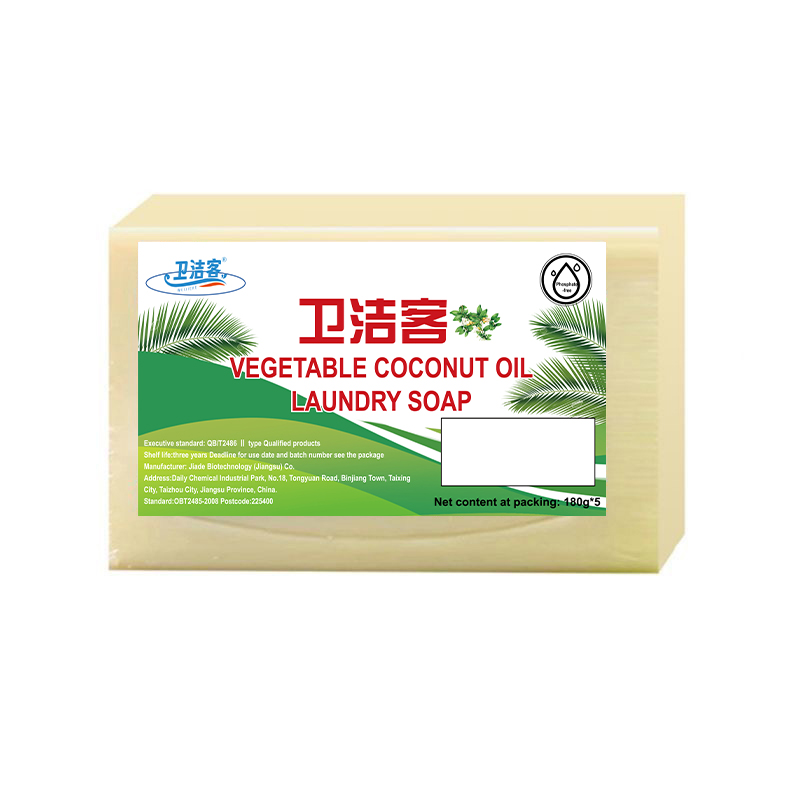
Choosing the right soap is picking a nice scent or a pretty bar. It‘s about matching the soap formulation to your skin unique needs and this has been learned after many years of dealing with skin care and daily chemical products in different areas of the globe. Picking the wrong soap can remove the skin natural oils, damage the skin barrier and in the end also lead to skin dryness, irritation, and even skin breakouts. This is where understanding the skin type and soap ingredients relationship comes in handy. This relationship is evidence based and also comes from feedback from the skin care industry.
Skin Type Traits and Basics of Soap Formulations
Skin types are differentiated based on their barrier functions and soap formulations aim to either work with that function or work to repair that function. The most important difference is in the base of the soap; either plant based or traditional soap base. Plant based soaps contain natural oils and botanical extracts whereas soap base soaps contain more of the cleansing power due to the inclusion of synthetic ingredients. Industry standards such as QB/T2485 and QB/T2486 provide frameworks for the ratio of raw materials and quality testing of soap, which speaks to the efficacy and safety of the soap formulations. Years of experience in the daily chemical industry has indicated that dry skin types in dry climates are more inclined to use plant based formulations whereas in humid climates, skin types may be more tolerant to moderate soap base cleansers. All formulations, including soap, are required to undergo a series of testing; physical, chemical, and microbiological. This is a bare minimum in product safety and consistency.
Choosing Soap for Dry Skin
Natural dry skin means the barrier is vulnerable to moisture loss and the natural oils skin sebum is missing. The best soaps for dry skin are mildly formulated without the stripping or cleansing ingredients and focus more on the gentle cleansing. Moisture and skin barrier restoration is best achieved by moisture-binding and skin barrier restoring pharmaceutical grade glycerin. Laundry soaps have also shown that the formulation logic works by moisture binding and barrier restoring glycerin and in addition to it moisture added by the plant extracts and are so gentle that the aloe and shea butter mixtures act on the skin in the same way. So, soaps that are made in line with standard QB/T2486 are better for dry skin because the standard is more concerned with gentle and moisturizing. Real world feedback however shows plant based glycerin soaps improves the hydrating, softening, and skin flaking less and tight less, and wash dry and the skin flakiness and tightness improvements occurred in less than four weeks of washing.
Soap Selection For Oily And Acne Prone Skin
When someone has oily skin and is acne prone, their acne may be triggered by sebum production which clogs their pores and leads to breakouts. Oily skin suffers may think the solution is to wash their skin to remove the oil. In reality, too much washing can trigger oil production. For acne prone skin, the most effective soaps are those that will remove oil but not trigger skin barrier damage by having slightly alkaline pH irritants. Skin irritants like tea tree extract can stimulate the skin and trigger oily skin. In soaps for sensitive skin, its best to use soaps that have possitive microbiological quality to remove irritant bacteria that can trigger acne. Our customer experience has found that tropical and subtropical regions have oily skin and acne prone users who would require less foamy and low irritant plant based soaps that would prevent oily skin and acne.
Soap Criteria for Sensitive Skin
Sensitive skin easily reacts to synthetic fragrances & dyes, and harsh cleansers. These reactions can include irritation, and the formation of rashes. Therefore, the top priority is avoiding the harsh elements, so the best options steer clear of synthetic fragrances and colorings, and do not have an overly alkaline pH, as that can disrupt the skin's Natural pH barrier and protective. Mild acidic formulas can help in retaining the protective barrier. It is important to note that, the environment in which the soap is produced, plays an important role in skin sensitivity. Soap made in iso-grade clean rooms that have contamination-free production environments, as is required for ISO9001 and ISO14001 certifications, will not have residual chemicals, and will therefore, have an absence of harsh or aggressive elements, which is the reason many sensitive soap testers have reported a 75%-100% decrease in redness/itching after daily soap usage. The majority of sensitive skin testers have reported a significant decrease in soap related redness itching, and a significant increase in the soap's daily usage, which is due to the soap's daily production in iso-grade clean rooms.
When choosing soap for combination skin you need to consider the T zones and dry cheeks. Meaning the soap needs to work for both areas. The best option for this is a clear-cut, soft, and plant-based soap formula. This soap will be able to clean the T zone without drying out the cheeks. Some customized plant-based soap formulations address this need perfectly, as they adjust the ingredient ratio to find a good balancing spot. Experience shows that combination skin users should avoid soaps with overly foaming agents, as these can dry the dry areas while not cleaning oily areas. This flexible approach aligns with the diverse needs of global customers, who often have mixed skin types due to climate and lifestyle factors.
Selecting a bar soap that takes into consideration the needs of your skin can help keep your skin looking it's best. Look for soaps that have certifications you can trust, like cruelty free and vegan certifications. Soaps that have added essential oils or fragrances may irritate your skin. Choose soaps that are made with good laboratory practices to ensure that they meet the production quality standards of your soap. Soaps that have your are made with good laboratory practices have a scientifically driven approach to soap making. Soaps have a structure quality control system and have taken into consideration real world skin care needs are soaps that should be a part of your skin care routine. With these bars of soap you can feel confident using them to keep your skin looking clean and not damaged, with unnecessary skin irritation.