 EN
EN

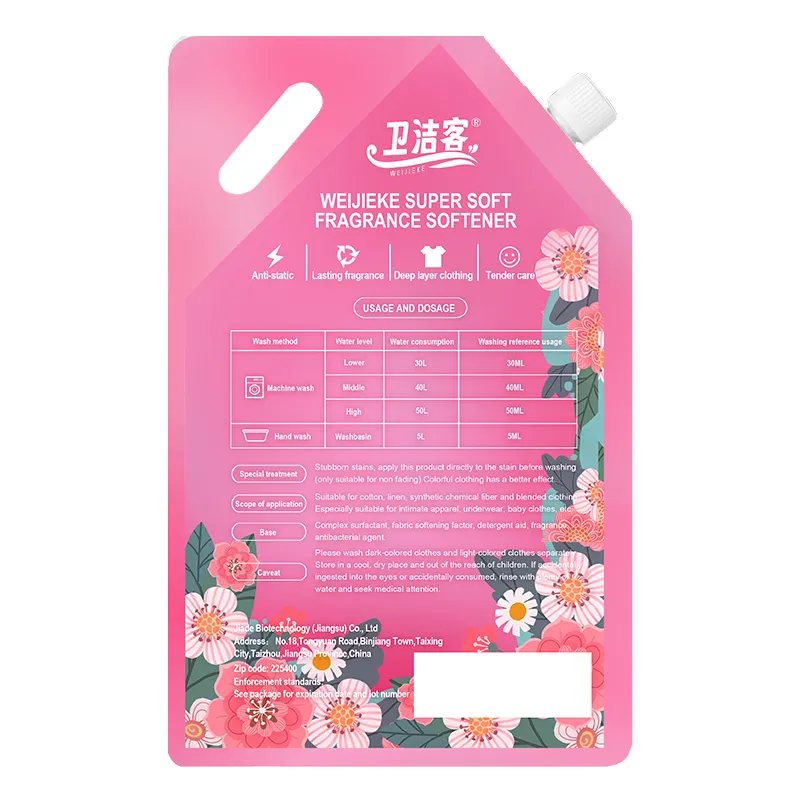
Rejuvenating Natural Fibers with Fabric Softener
Repetitive washing will always leave your washing machine's drum free of any obstruction, and will begin to collect oils that will make your clothes softer. After washing, your clothes will feel stiff, matted, and won't be as flexible. Softener will make your clothes feel new, and prevents your clothes from losing their natural oils. Many washing detergents can be quite harsh on clothes, especially if they are alkaline. Once your clothes are washed, the softener will be used to create a temporary coating that makes the washing fibers feel smooth and reduces the amount of friction and clumping between fibers. As a result, the laundry detergent does not leave any detergent remains on the fibers, and does not make the fibers stiff. Your clothes will feel smooth and soft, even after washing clothes many more times, and will begin to feel worse.
Benefits of Softener on Static and Comfort
Gentle clothes brushes are actual irritants, especially when you are around others. Most peoples clothing is made from materials like polyester and nylon. These will make the wearer even more uncomfortable. Static cling is a term you will often hear, and refers to why pants or skirts often stick to your legs or tops and will create a loud and annoying, crackle noise and will make your clothing bunch around you. Most materials like polyester, nylon, and blended materials pants and tops will make your clothes super uncomfortable and will create unwanted center and side clings. Many women describe this as a terrible nuisance at the workplace and at a textured acetate fabric. Static cling is the cause, and is a huge issue in the workplace. Laundry detergents use cationic softener that will be able to neutralize and take down the soft and smooth frictional and electrical charges that quickly. Many industry testers tested to see if softener clothes would cause more static and were surprised to see that treated clothes caused more than 60% less than softener clothes and more than 40% treated clothes not treated with softener. Treated clothes were proven to be more comfortable and free from static.
Preserving Textiles Quality and Durability
The service life of home textiles and apparel is reduced with wrinkles, color fading, and damage to fibers. The softener protection layer inhibits mechanical damage while washing and drying, minimizing pilling and surface wear. The crossing of fibers helps prevent light scattering, therefore destruction of color is less and washing item color destruction is mono-washed. Less wrinkling aids in he ironing and improves the presentable look of shirts, dresses and linens. In the retail and hospitality industries, it is common to use fabric softener in commercial laundering to achieve neat, uniform, and crisp linens and uniforms. Extensive field research demonstrated a life span with consistent use of up to 30% less frequent replacement of textiles, which, in turn, the replacement costs for households and companies have been reduced.
for daily wear and for delicate skin
A rough and stiff fabric can cause severe irritation of the skin, especially for the delicate skin of infants, children and elderly. The fabric softener alters the rough and stiff texture of the fabric, thereby resulting in less friction on the skin. Less irritation is expected from softer fabrics. In many healthcare and childcare settings, softeners that are dermatologically tested are used to take care of vulnerable skin. Additionally, the friction relaxation offered by soft towels, bed linens and loungewear is magnified and the quality of rest and well-being is improved. The rest and well-being of the individuals is a priority on the fabric of uniforms and home textiles and.
Practical Use Suggestions and Product Standards for Dependability
For best results, add fabric softener to your washer’s final rinse instead of first mixing it with your detergent to avoid performance reduction due to ionic charge conflict. Be sure to follow the instructions on the bottle to avoid the build up of fabric softener which may lead to the item’s breathability and water absorbency being compromised. Some products can be trusted due to the safety and quality standards being met throughout the world as these include the ISO 9001, ISO 14001, and ISO 45001 standards. Clients can sue these standards to build their trust. The quality of softeners accepted by the market due to their quality and safety attest to the confidence of the customers.
Manufacturing Stability and Quality
The best fabric softener is the result of the perfect combination of formulation technology, manufacturing precision, and quality control. Jiade Biotech has been cleaning and sterilizing its production areas with trusted cooling technologies and trusted quality. Their retention systems produce and test fabric softeners, and it is their policy to guarantee permanent softness, and static freedom while maintaining a fresh scent. Clients can depend on their products to softener fabric quality and not abuse them during their use.