 EN
EN

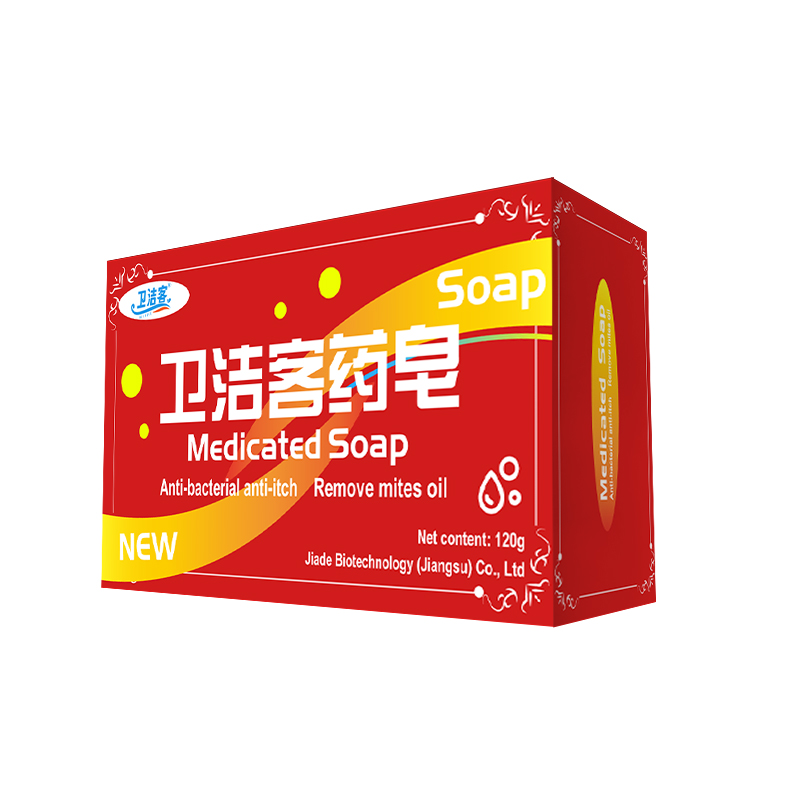
What Does Medicated Soap Do?
While regular soap is intended to remove dirt and oil from the skin, medicated soap combines cleansing with treatment for more specific concerns, including acne and dry, irritated skin. In order to accomplish this, medicated soap is made with one or more "active" ingredients. These are often mixed with soothing ingredients to balance any skin irritation the active ingredients may cause. For example, soap with identical active ingredients may cause irritation to some people but be perfectly acceptable to others. This means that medicated soap formulations require more skin irritation and customer satisfaction research than regular soap formulations to be accepted by the quality control process. Some common active ingredients are antibacterial agents like Triclosan and Tea Tree Oil, antifungals like Ketoconazole, and soothing agents like Aloe Vera and Chamomile.
Why Medicated Soaps Work
Medicated soaps can work at addressing numerous conditions thanks to their soaps ability to incorporate active ingredients that can penetrate the skin at different levels. Active ingredients work at the skin's surface and the inner layers to address different conditions. Active ingredients are also protective, which means they can also decrease the chance of developing a secondary infection. For example, the additon of soap with antibacterial properties can destroy an infection causing fungi, and add the protective layer to decrease future infections. Other active ingredients work at calming skin irritation, and repair skin's protective functions. Skin repair and protective functions are important to the overall system and keep the skin in balance. Controlled repair of the skin’s protective functions is a positive outcome when using an activate ingredient with positive anti inflammatory properties. High levels of industry standards, and certifications like the ISO quality management, are important to ensure their active ingredients are not over their shelf life.
Here are some Practical Tips for Using Medicated Soap in your Daily Skin Care Routine
Before using medicated soap as part of your daily routine, you should consider your skin type and any problems you would like to address. Medicated soap with Salicylic Acid is often recommended for acne. Salicylic Acid is a great ingredient for unclogging pores, reducing breakouts, and for over all oil control. Using a Salicylic Acid soap more than 2 times a day can over-dry your skin, which can worsen oil production. A soap with antifungal properties is a choice for individuals dealing with fungal infections, as it can aid in healing the skin. To maximize its effect, wash your skin with the soap and let it sit for a few minutes before rinsing. Sensitive skin can choose to use medicated soaps with supremely simple and nerdy-natured formulations, and should patch test the soap before use. Always use a separate moisturizer after washing with medicated soap since some ingredients can strip skin of its natural oils. Avoid using medicated soaps on broken skin or on skin that is prone to irritation as it may sting and worsen the irritation.
Expert insights on selecting Medicated soap
Choosing medicated soap requires a bit of familiarity with skin's needs and actions of specific active ingredients. Consider what a skin needs and what active ingredients address that specific skin need. A skin-care specialist can help with a skin's specific needs. Soap can be recommended with good active ingredients that have passed highly monitored processes of manufacturing. For instance; If people want soap that is natural and wants to stay away from harsh chemicals but would like to have soap that would address their need for an anti-bacterial soap, then soap that contains tea tree oil can provide that. Additionally, soap or skin care product that contains pyrithione zinc can be recommended to address the needs for the treatment of seborrheic dermatitis and for scalp and body dandruff. Arguably, one of the most overlooked criteria that a meditated soap needs to meet is the soap's pH level. A good pH level would be in the range of a balanced pH which is 5.5. A soap brand that appears to be highly reputable is one that is transparent and can provide a description of what the skin care product is made for and provide the percentages of the active ingredients in the product. Products that have artificial and highly fragranced contents that have not been included for any beneficial reason need to be avoided. These ingredients can be allergies to some and may cause skin to be irritated.
The Safety and Long-term Benefits of Medicated Soap
Used properly, medicated soaps can be good for skin health in the long run. Using them appropriately and consistently can help manage chronic skin conditions, prevent infections from coming back, and promote skin that is clear and healthy. Although, safety is very important. Either not following the directions and using the soaps too frequently, or using products that have high levels of active ingredients can lead to skin drying, being red, or skin peeling. Always following the directions and discontinuing if there are any negative results is very important. Also, using medicated soaps that are good for the planet and will decompose is good for both you and the earth. In these times, when people are trying to save everything, the materials and packaging that these soaps are made of are good for the planet in many ways. By focusing on the medicated soaps that are earth safe and of good enough quality and safety, you will be able to enjoy the benefits of the soaps, while minimizing the risk.