 EN
EN

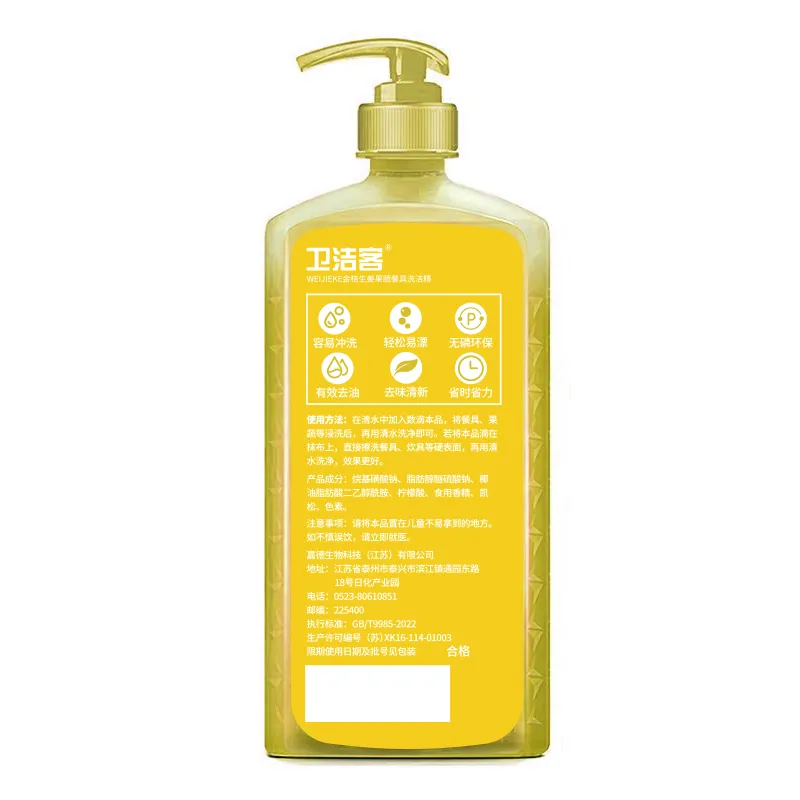
Stay Away From High Temperatures
High temperatures are the number one enemy when it comes to preserving the quality of dishwashing liquid. Based on the experience of the daily chemical industry professionals, storage of dishwashing liquid liquid above 30 degrees Celsius results in oxidative decomposition of surfactants. This not only decreases the dishwashing liquid's ability to remove grease, but also results in discoloration and the formation of odors. Dishwashing liquid made for washing fruits and vegetables is even more sensitive to elevated temperatures, as it will be detrimental to the food-safe formula. The hand washing dish detergent national standard GB 9985 states that the storage temperature of the dish detergents should be between 5 and 25 degrees Celsius. In the real world, the quality of dishwashing liquid will deteriorate significantly in 1-2 months when it is stored near stove tops, microwaves, and direct sunlight.
Avoid Direct Sunlight
Sunlight is a source of Ultraviolet (UV) radiation, which can cause the product's active ingredients to break down and cause the product to age more quickly, reducing the shelf life of the product. In a chemical product shelf life study performed by industry experts, dishwashing soap subjected to extended periods of direct sunlight will show layering and cloudiness in as little as 2 weeks and the scent will quickly evaporate. Even though packaging that is opaque, prolonged exposure to sunlight will increase the temperature of the packaging, which can affect the product inside. The best practice is to keep dishwashing liquid in a dark cool place which will prevent exposure to UV radiation, and will help maintain the quality of the product's ingredients.
Seal Tightly After Use
Dishwashing liquid that remains unsealed is more susceptible to moisture from the environment. This can cause the liquid to change in composition and grow microorganisms. Per the microbiological testing guidelines for food contact detergents, the total bacterial count in a qualified dishwashing liquid must comply with national standard regulations. If the seal is loose, the humid environment of the kitchen will increase the microorganisms in the product above microbiological safety levels. This not only impacts the effectiveness of the product, but also poses potential food safety dangers. Actual production and sales experience shows that shelf life of unsealed dishwashing liquid is more than halved than that of sealed ones. Therefore, it is important to seal the bottle cap tightly after every use and to inspect the bottle cap seal ring for any damage.
Manage and Stablize Humidity Levels
Storage conditions that are too humid can cause mildew to form on the outer packaging of dishwashing liquids. This can lead to moisture seeping through packaging gaps into the product, ultimately impacting the formula’s stability. This is especially true for large barrel packaged dishwashing liquids offered for commercial use. These units should be placed on dry and moisture-proof pallets, and the storage area should be well ventilated. Professional manufacturers of daily chemicals will, during the time of storage for the finished product, maintain the humidity of their warehouses at 40%-60%, which is the optimum range for moisture to keep the quality of dishwashing liquids. Therefore, for household use, the dishwashing liquid should not be stored in the sink area, especially in an area subjected to frequent water splashing; it is preferable to keep it in a dry area, away from moisture.
Store Separately From Other Chemical Products
Cleaning products that come into contact with food such as dishwashing liquid should be kept away from other chemical products that may be irritating such as disinfectants, pesticides, and laundry detergents. The ingredients in dishwashing liquid may react with the volatile chemicals in the above products, resulting in the destruction of the dishwashing liquid, and may make the dishwashing liquid dangerous to use. The national food safety regulations clearly state that food contact cleaning solutions should be kept separately from other products. In practice, this means stored cleaning supplies above dishwashing liquid on a shelf.
Assess Deterioration And Safety Of Use
Beyond the scientific method of storage, voiding the need to conduct chemical analysis or an to experiment, it also demands an immediate assessment on the potential deterioration of the dishwasher liquid. According to the qualitative sensory judgement standard of the daily chemical industry, an acceptable product is one that is clear and transparent without any formation of layers or settlements, and with a neutral odor. The dishwasher liquid is deemed unsuitable if it dishwasher is opaque, has any formations of layers or sediments, or has a strong or offensive odor. It is also advisable to conduct an assessment of the appearance and odor of the product to be used for the dishwasher liquid that has been stored for a long time, even if it is within the shelf life of the product, to ensure the safety of use.
Apart from the production formula and process, the quality of dishwashing liquid has a lot to do with the pre-scientific storage. Jiade Biology, like other professional daily chemical manufacturers with ISO certification and 100000 level clean room production, has a quality control system from the selection of raw materials to the discharge of finished products that support quality and stable dishwashing products. Moreover, the scientific storage method also ensures that the value retention of the product's subjective quality is maximally maintained.