 EN
EN

Identifying Stubborn Grease
When cleaning, most people consider stubborn grease to just be a surface problem. Stubborn grease actually forms bonds with dishes and cookware that are difficult to break. It can be incredibly frustrating to scrub clean a surface and still find a greasy film. After years of and observing cleaning challenges, people have come to understand that different types of grease behave differently. Animal fat from meats and dairy can quickly create tough grease deposits, while vegetable oils and residues from fried foods can sink into and stain porous surfaces. Many make the mistake of using excessive scrubbing to remove grease, instead of relying on a detergent that targets the molecular structure of grease. A busy, urban restaurant once struggled with grease building up on kitchen tools. After switching to a specialized detergent, the kitchen staff reduced cleaning time by nearly 40% while maintaining hygiene practices.
Choosing a High Performance Dishwashing Detergent
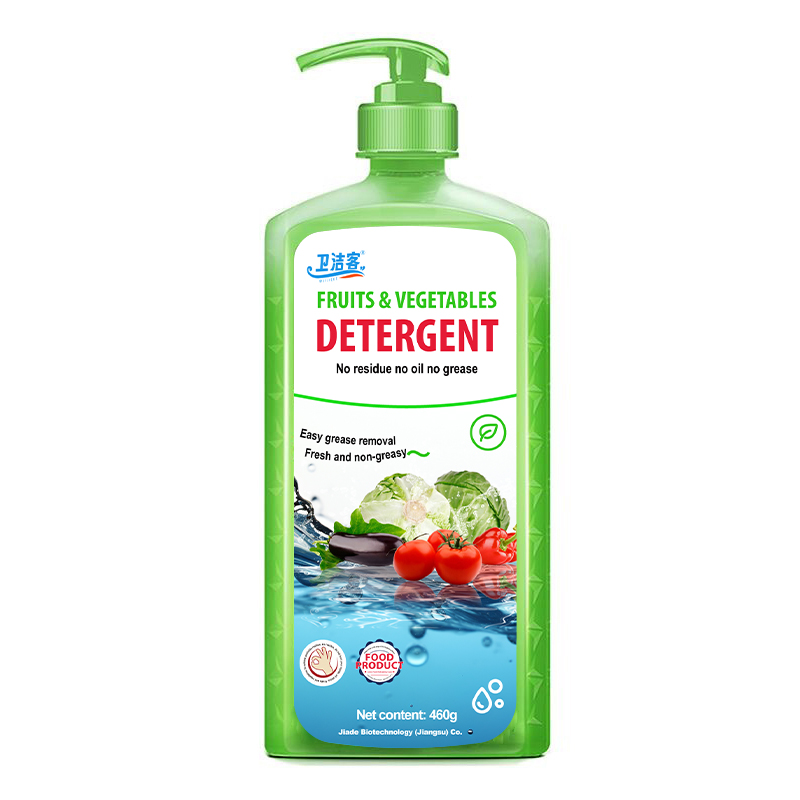
A solid understanding of product formulation, certification, and grease-cutting detergent features will help you choose a detergent that meets your needs. The two most important features when working on tough, sticky deposits are easy grease removal and no residue. Detergents that are certified to meet ISO 9001 and FDA standards are particularly trustworthy. These certified detergents have been tested to meet safety and performance standards. Detergents containing plant and natural ingredients will cause less damage to the skin of the person cleaning, an important factor for those who wash their hands often, and will effectively disrupt the grease. A commercial user can trust the performance of a detergent and avoid risk of cross contamination due to the meticulous data-driven product quality control that includes physical, chemical, and microbiological quality assessments, ensuring consistency from one batch to another. This will allow your operations to run smoothly.
Practical Tips to Improve the Removal of Grease
Even the best detergent works better with tips from real world experience. To start, greasy surfaces must be rinsed with warm water. Using warm water will help loosen the grease molecules, making it easier to pull them with the detergent. Detergent needs to be put in a small amount to the affected area, and then it must sit for about a minute. This is the amount of time the detergent needs to emulsify the grease, and then it will turn the grease into a water soluble substance that will wash away. Sometimes spots will be too stubborn for this though. In those cases, a soft bristle brush or non-abrasive sponge is best used to scrub the surface. Using harsh tools to scrub surfaces are a bad idea. Using those tools can scratch the surface of the cookware, and then grease will be able to accumulate in the scratches. When cleaning the detergent needs to be properly diluted to the instructions so that no residue is left and cross contamination can be avoided in accord with FDA food safety guidelines. This method has been proven effective for virtually everything such as from burnt pans to pesticide coated produce.
Enhancing Positive Impact, Value and Safety
Remove grease safely and sustainably, without harming health and the environment. Market leading detergents, without the risk of leaching toxic chemicals harmful to living organisms, offer safe food grade para detergents and biodegradable formulations that meet ISO 140001. With food contact corrosion and unrestrained the long term health and safety jeopardy of users, as a residue of njn food safe para detergents, not a secondary health risk. There is also a direct commercial benefit of safely and sustainably cleaning. Minimally, in a commercial setting, it is less time cleaning, less water, less cleaning, and less packaging, and in a home, it is safe and sustainable cleaning.
Conclusion
Cleaning grease doesn’t have to be frustrating and time consuming. With the knowledge of the chemical make up of grease, the right type of detergent can be selected, and practical methods can be applied. The best solutions combine scientifically formulated detergents with real world testing, and a commitment to safety and sustainability. In a busy restaurant or a home kitchen, the right method can help make tedious tasks easy. The users of certified, high quality detergents not only get surfaces that are free of grease, but also protect the health of themselves, their customers, and the planet while gaining long term economical benefits.