 EN
EN

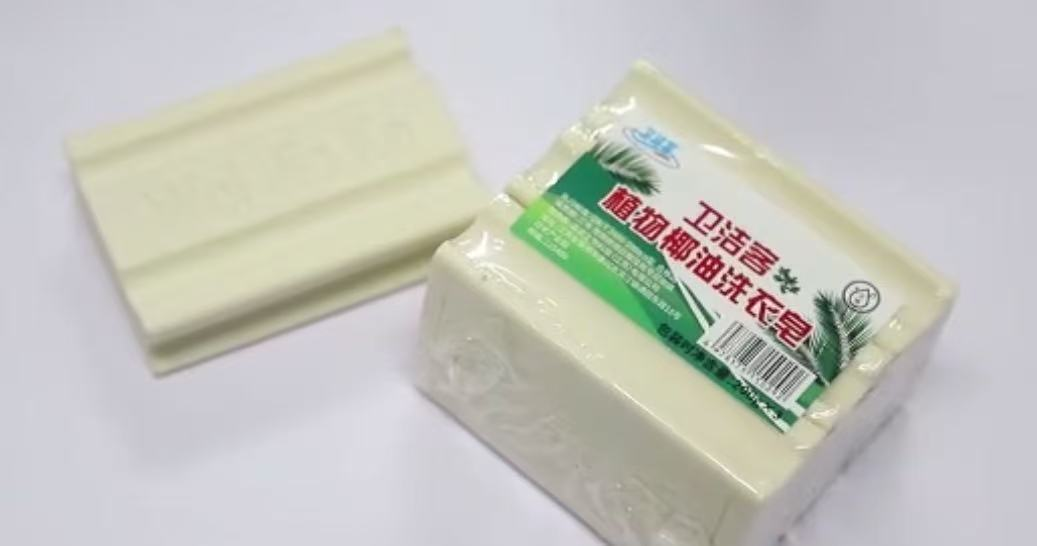
Soap is a popular cleaning agent worldwide, used in homes, restaurants, and many other public places. It is trusted to wash away dirt from hands and clothes, along with potentially harmful germs that can cause sickness. However, most users completely disregard the science behind the effectiveness of soap. Years spent on the research and production of everyday cleaning chemicals, combined with knowledge of soap formulation and production, allows the explanation of this common, yet fascinating, cleaning process from a simplistic and professional point of view.
The two characteristics soap molecules have
Soap molecules have two different characteristics that are vital in the product’s core cleaning power. Each soap molecule has a hydrophilic head that is attracted to water and a hydrophobic tail that is repelled by water and is attracted to oil and grease. Because of this, soap molecules are considered surfactants, a notable point now appreciated by chemical research in the cleaning industry. When soap is mixed with water and oil, the soap tail of the molecule will attach itself to the oil based dirt on the skin or the objects while the soap head stays in touch with the water. The moving water and rubbing hands will cause the soap molecules to group and form micelles, small spherical structures that trap the dirt. The hydrophilic head of the micelles will make the trapped dirt water soluble, and the dirt can now be washed away with running water. This is how soap is able to remove all the oil based dirt using the different soap molecules characteristics.
Destructive Effect of Soap on Germ Cells Membranes
To remove germs from surfaces involves more than just physical cleaning, and more than the simple physical interactions that break the dirt apart. It involves a complex series of chemical reactions that break down the structural elements of microorganisms. Most microorganisms, including bacteria and viruses, have a protective lipid (fats) cell membrane on the exterior of the germ. When soap touches a germ, some of the soap molecules will interact with the lipid membrane and break the structural integrity of the membrane. As mechanical action (rubbing) continues, the cell membrane will become irretrievably damaged and the cell will lose all of its protective defenses and internal structural components. The germ will become inactivated, and the membrane integrity will be irreparably damaged to the point where the germ will no longer be able to reproduce. It will also lose the ability to instigate disease processes. This physical action and chemical destruction of the germ cell membrane is what differentiates the action of soap from just using water, and is what basic research in the daily chemical cleaning industry has shown to be the industry standard.
Creating Quality Cleaning Products
The quantity to create a cleaning product such as a bar of soap is determined by the producer’s cleaning product formulation and the standard of quality of the production process, as the molecular structure of a soap bar will always have the same structure regardless of the producer. Natural extracts can also be added to the bar soap formulation to create a soap bar that has cleaning and antimicrobial properties, and bar soaps that utilize these ingredients in the production of the soap products will also have a gentle and skin friendly washing effect. However, to produce a bar soap that cleans and is skin friendly, a producer must have an active certification from a highly accredited institution such as ISO to be able to have clean production areas in order to provide high quality soap products. Meaning, if a producer has filtration systems that can produce a sterile environment to create high quality soaps in the production, the soap will be clean, and the soap will also save the customer money. Operating to this standard and having this filtration system can also create an antimicrobial clean soap that other producers cleaning products will not meet. Also, meeting these global standards and having the filtration system can also create a high cleaning product that other soaps will not meet, as an-effective cleaning product will create more than 30% cleaning residual. A soap that out performs other available cleaning products in the global market will also presumable meet these standards country's cleaning product.
Effective Techniques for Maximum Germ and Dirt Removal
No matter how good a soap is, it cannot achieve its full cleaning effect without correct techniques of practical use and practical use techniques are also summarized from a large number of practical use experiences of many people. To demonstrate this, when cleaning hands, soap needs to be rubbed as much as possible to create a lot of foam. Once a lot of foam is created, foam needs to be left on skin for at least 20 seconds so that soap molecules can effectively destroy the infection of the skin and engulf the dirt. The same thing happens in the case of laundry soap. For example, if there are stains on clothes, apply soap directly onto the stained areas and rub the so that the soap can be left on that area for long before the clothes are washed in a tub, and this can remove most of the stubborn grease and stains. Whether washing hands or washing clothes, it is important to rinse hands and clothes respectively using a large amount of clean water to remove soap residues. Not only is this necessary for cleaning, but it also protects the skin and fabric from soap. Most of people have used these practical techniques and according to feed-forward data from many practical uses, cleaning effect reached 90%.
Soap combined technology and chemistry to achieve effective cleaning and removal of germs and dirt. Soap's molecule duality and ability to break down germ membranes exemplifies effective cleaning. Industrial production's formulation and production control improve and standardize cleaning ability. Quality soap is hygienically necessary and economically soap is a prime example of technology meeting market needs. Effective and safe cleaning products for the global needs created the daily chemicals industry by combining technology and chemistry.