 EN
EN

Stain Removal Basics Of Qualified Laundry Soap
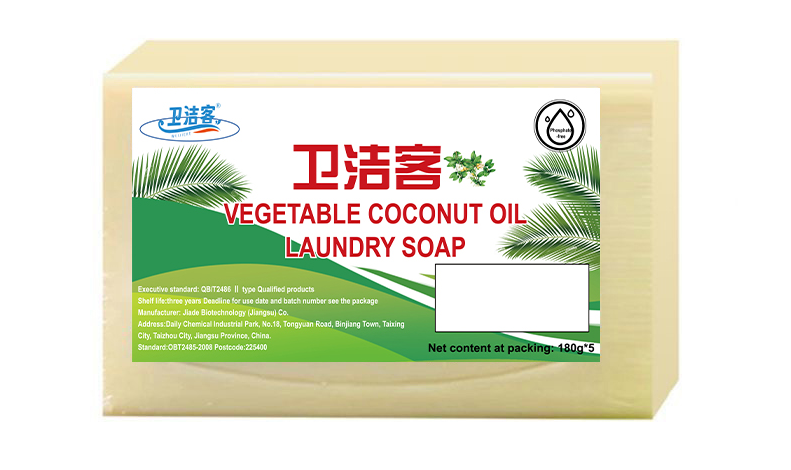
Laundry soap is an everlasting option when it comes to stain removal from laundry. Its stain removal capabilities mainly rely on the ability to meet certain industry-related standards. The national standard QB/T2486 specifically outlines the standard quality parameters for laundry soap, including the dry sodium soap content, which is the essential active ingredient in stain removal. Compliant laundry soap contains an optimum active ingredient balance that is able to effectively break down the fabric dirt without the damage to the fabric. From the standards, the compliance laundry soap is stain removal efficiency starting point for everyday minor stains, or for the tough stains on the heavy fabric clothes like coats and pants, to the large dirt fabric, still in the everyday range.
Mechanism of Cleaning of Laundry Soap
The stain removal ability of laundry soap stems from its specific chemical formulation and the process by which the formulation works. The primary ingredient of laundry soap is sodium fatty acid, which has a considerable degree of surface activity. When sodium fatty acid comes in contact with stain, one end of the fatty acid molecule is hydrophobic and will interact with the oil and dirt, the other end is hydrophilic will interact with water. This will reduce the adhesion of the stain to the fabric and draw the dirt away from the fibers of the fabric. In addition, the other ingredients of high quality laundry soaps can increase the deconstruction of complex stains by forming chelates with the mineral ions that are entrained in the water and also make the water more effective in cleaning. After many years in the industry, the formulation of laundry soaps has been improved with postitive addition of some natural plant ingredients with specific cleansing properties.
Stain Removal Targeted to Dirt Type
Different stain types require different applications of laundry soap and practical applications show this to be true. Kitchen and tablecloth stains can be treated by applying laundry soap to dry oil stains. Then did soak it for 10 to 15 minutes in warm water, this should allow the soap to penetrate the stain and it should dissolve the oil. For collar and cuff stains from sweat, soap can be applied, and a rub will do this. Then, allow the soap to soak, this will help the proteins in the sweat to make the stains harder to remove, and after you can rinse the fabric with clean water. There are stain types that are harder to remove. For example, dry stains from sauce and juice will contain pigments that penetrate deeper into the cotton and linen fibers and are more difficult to remove. Finally, it’s worth noting that delicate stains such as wool require a gentle rub without soap, to avoid damaging the fabric.Using soap properly can not only save fabrics from damage but can also enhance the stain removal effect of soap. There are also important aspects of the method to consider before application. Dry coating is the most effective method for getting rid of tough stains. This involves putting soap on the stain when the fabric is dry. This allows the active ingredients to really target the stain because the concentration is significantly higher than when soap is added to the water for washing. For large light stains, laundry soap can be dissolved in warm water to create soap water. Soak the stained fabric for at least 20 minutes before washing it gently. If you use laundry soap, washing softener can be used to prevent soap scum from forming and to maintain the removal of stain. The fabric may harden if there is soap left on the fabric. This can also cause secondary pollution to the fabric. So use clean water to rinse the fabric several times.
How Product Quality Affects Stain Removal
When it comes to stain removal, the quality of production, and the choice of raw materials show a clear correlation. For example, a reliable production process shows the efficiency of stain removal. Additionally, quality production facilities and operational standards of effectiveness allow for the uniform consistency of active material ingredients. Furthermore, from raw material supply to the finish product storage, every step satisfies the requirements of physical, chemical, and microbiological quality control tests. Laundry soap combining natural raw materials of moderate raw material strength, allows the product to wash a spectrum of fabrics without changing or roughening the fibers of the material. Consumers choosing a professionally certified manufactured laundry soap, gain an effective laundry stain removal and are assured the product will not damage the fabric.
Important Aspects When Selecting and Using Laundry Soap
In short, the proper use of laundry soap for stain removal is a combination of choosing the right products and using specific methods. First, when buying, check for compliance with the QB/T2486 standard, which is the basic guarantee of stain removal ability. Then, depending on the type of stain and the material of the fabric, select the appropriate method of application, for example, dry coating for stubborn stains and dilution for delicate fabrics. Finally, consider conditions such as use environment, on the hard water area water softening to avoid reducing the decontamination effect. As a result, Laundry soap is a great option to consider when looking for an eco-friendly option, more so as it meets the requirements for stain removal on different fabrics.