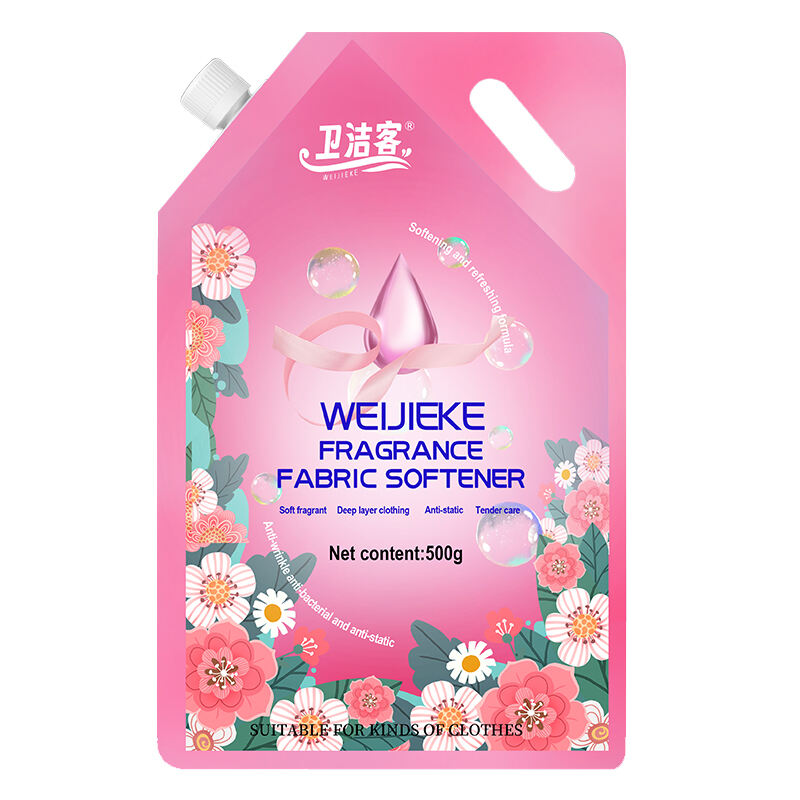
Laundry softener is a product intended to be added to your wash load to improve the feel and quality of your wash. Unlike most washing aids, which focus on odors, stains, and dirt, fabric softeners focus on the washing process of the flesh. It reduces the amount of friction between fabrics by putting a coating over the fibers. This process makes the wash feel soft, reduces the amount of static, and prevents the wash from wrinkling. It also stinks so it smells fresh and clean long after the initial wash is complete. It is commonly used because it softens the fabrics so they feel more comfortable and pleasant to the skin. This is especially beneficial to families with children, individuals with sensitive skin, or anyone who washes clothes frequently.
Quality softener doesn't just soften fabric, it extends the life of your clothes and makes your day better! Every time you wash and dry your clothes, the fibers in the fabric get damaged. Softener reduces this damage so your clothes stay looking new longer. Softener helps towels dry better and feel less stiff. Plus, it helps bed sheets feel more comfy so you get better sleep! Static electricity can cause clothes to stick together and to your body. Softener makes this less of an issue, especially in dry, winter seasons. Long lasting and faint scents are another perk of softener. Quality softeners are also compatible with all kinds of fabrics such as cotton, linen, and even synthetic fabrics! This makes your laundry day more flexible!
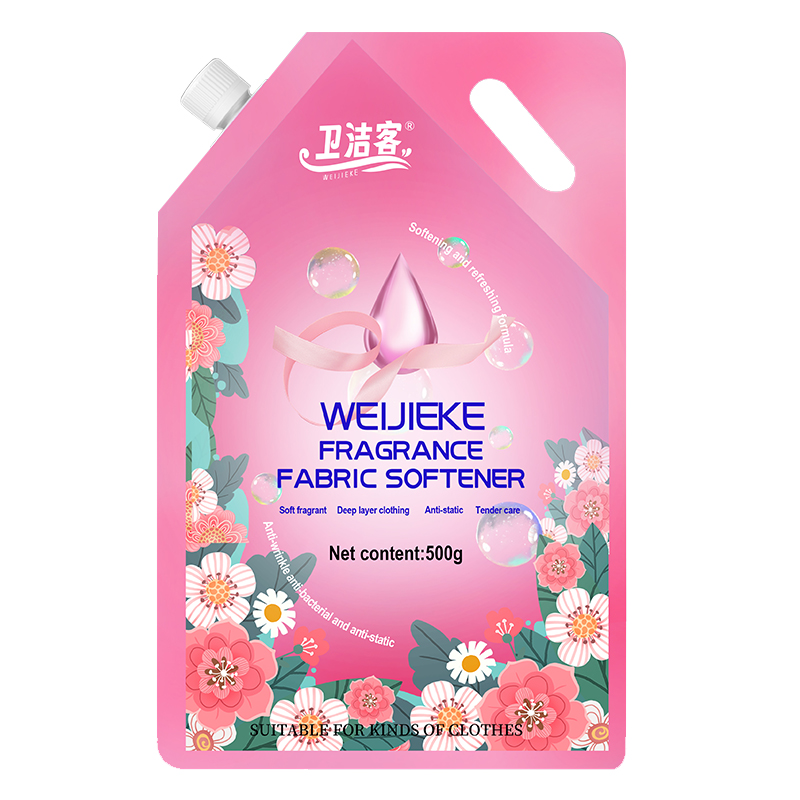
Recognizing a high-performance fabric softener will save you time and money. The first thing to consider is the formula and whether it contains eco-friendly and biodegradable ingredients. Fabric softeners with harsh and damaging chemicals are unpleasant and irritating; we recommend staying away from those. The product should also be effective enough to achieve noticeable fabric softness and should not leave a residue on clothes. They should be effective in softening fabrics at all water temperatures and in HE washing machines. If a product is compliant with certain ISO certifications, it is a good sign that it is high-quality and safe, as those certifications are recognized worldwide and guarantee that a product has met specific safety and performance industry standards. The last thing to consider is the product’s concentration: concentrated fabric softeners tend to go a lot farther, are cost efficient, and are more eco-friendly.
Premium fabric softeners can use advanced technologies to strengthen its performance. A lot of fabric softeners use cationic softeners to form a bond with fabric fibers. This bond adds a lubricative barrier to the fibers which greatly softens the fabric when washed. This technology can also prevent clothes from fading and fabric pilling. Some brands use natural plant-based oils gentle softening without synthetic additives. For example, the product can be used with hand washing, machine washing, and tumble drying. Also, the most quality of these products deliver rigorous pH balance testing to formulate a product that is gentle and safe for sensitive skin. These details make for a product that is effective and efficient, which saves the customer money and gives the same result with every use.Helpful Advice Regarding How to Use Fabric Softeners
To get the most benefits from fabric softeners without making common mistakes, it’s best to use it the correct way. First, use the correct amount, as using too much can leave clothes with an unwanted sticky layer, and using too little means the softness will never be achieved. If you are using a washing machine, be sure to put the softener in the correct compartment, in a top loading machine without a compartment, use a fabric softener ball to release it during the rinse. Most importantly, don’t add softener directly into the wash water with detergent, as they will cancel each other out. In the case of hand washing, mix the softener with water according to the package instructions and soak the clothes for at least 10 minutes before rinsing. When using a dryer, take the clothes out immediately to prevent getting wrinkles, and be sure not to leave them in for too long (over-drying), as it can get rid of the softening benefits. If using a softener on a delicate fabric, such as silk or wool, it’s best to use a softener for delicate care.
When evaluating a fabric softener option, one should understand the value of cost-effectiveness with relation to the value of the product in relation to the quality of the softener. More affordable options with the same quality usually come from manufacturers that have a direct line to the production of the raw materials and do not have to deal with middlemen to raise prices. Concentrated softeners are the most cost-effective as they require a smaller amount of softener to be used in each wash, lowering the overall cost per load as less product is used. Also products that do not need to be supplemented with a separate softener, static control product, and wrinkle releaser help to save overall money spent on laundry products, and storage space. It is important to not only focus on the price of the product, but how a slightly higher price on the unit cost would be a less ‘expensive’ option in the long run for less maintenance on the fabric, thus not having to purchase replacements as frequently.
Some myths floating around about fabric softeners prevent people from being able to use them to their fullest potential. A key example is that people think softeners ruin athletic activewear or moisture-wicking fabrics. In fact, however, if you choose the right fabric softener, softeners can be even more compatible with these types of athletic fabrics. Another common misconception is about fabric softeners leaving residue behind. Softeners will only do this if too much cheap fabric softer is used. Performance fabric softeners sometimes leave behind residue are of a low quality and do cause a sticky or greasy film to remain behind. Some people think fabric softeners are not worth it, however, they offer benefits other than just softness. Soft fabric softeners protect the fabric, add comfort, and decrease the presence of wrinkles in clothing. If you choose a quality product and use it properly, you can reap the benefits of softening your fabrics.
There is practical and commercial value of choosing the right fabric softener in your home or business. In the home, the right fabric softener decreases ironing and repairs or replacements of clothing. In the commercial business, the right fabric softener increases the satisfaction of your customers for the soft, smelling baths and towels in hotels, spas and laundries. In eco-conscious markets, the right softener is a blank slate, and so is their softener. The usage of concentrated softener is cost effective, savings over time, and ultimately improves your returns. The instant and long-term value is there, and the softener is worth it.
 Hot News
2025-12-26
2025-12-24
2025-12-22
2025-12-19
2025-12-17
2025-12-15

Jiade Biotechnology (Jiangsu) Co., Ltd. provides high-quality daily chemical raw materials, food/pharmaceutical-grade glycerin, and personal care products. Our strict quality control and eco-friendly formulations deliver reliable, cost-effective solutions for global customers. Buy ECO-certified, biodegradable detergents and hygiene items.
East side of the first floor, 3A, Daily Chemical Industry Park, No. 18 Tongyuan Road, Binjiang Town
Copyright © 2025 by Jiade Biotechnology (Jiangsu) Co., Ltd. Privacy Policy
 EN
EN